

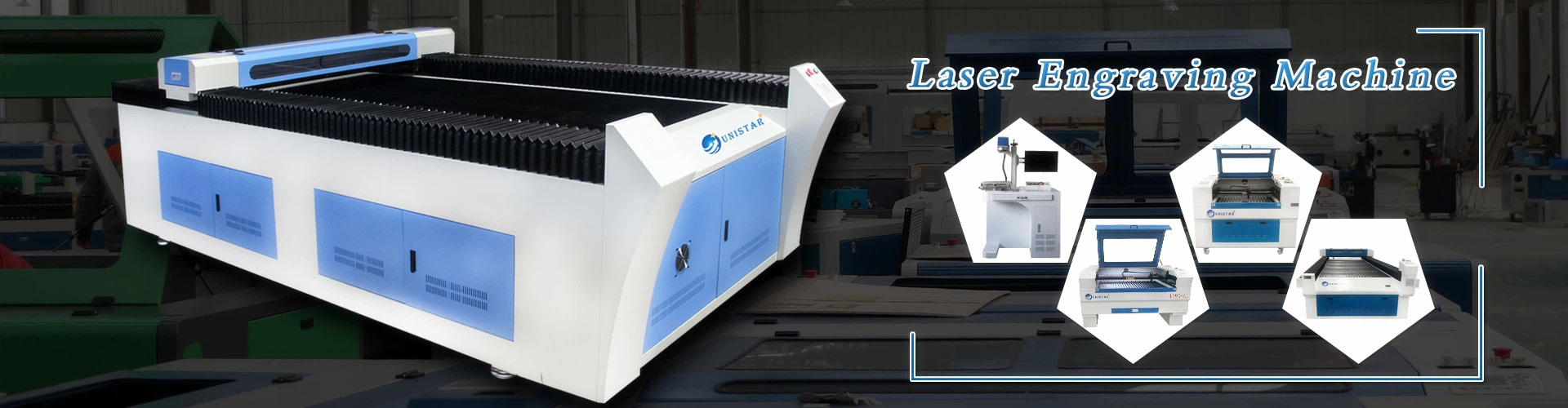
A Guide to Selecting the Right Laser Marking Machine

In the world of manufacturing and product customization, laser marking machines have become indispensable tools. They offer a precise, durable, and efficient way to mark various materials with text, graphics, or codes. However, with a wide range of laser marking machine types available, choosing the right one for your specific needs can be a daunting task. This article aims to simplify the process by providing an overview of different laser marking machine types, their suitable materials, and applications.
Types of Laser Marking Machines
Fiber Laser Marking Machines
Fiber laser marking machines are widely used in the industry due to their high electro - optical conversion efficiency and excellent beam quality. They typically operate at a wavelength of around 1064 nm. The laser source in these machines is based on fiber optic technology, which allows for a more compact and reliable design.
Suitable Materials
Metals: Fiber laser marking machines are highly effective on metals. They can mark stainless steel, carbon steel, aluminum, brass, copper, titanium, and various metal alloys. The marking process can create permanent marks through methods such as annealing (changing the color of the metal surface by heat - induced oxidation), ablation (removing a thin layer of the material), or engraving (etching a pattern into the surface). For example, in the automotive industry, fiber laser marking is used to mark engine parts, where the high - contrast and durable marks are crucial for traceability and quality control.
Plastics: They can also mark many types of plastics, including PVC, PET, PS, ABS, and PBT. The laser can either ablate the surface of the plastic to create a mark or cause a chemical change in the material, resulting in a visible contrast. This is useful in the electronics industry, where plastic components like connectors and housings often need to be marked with part numbers or logos.
Applications
Industrial Manufacturing: Fiber laser marking machines are commonly used in industrial settings for marking parts in the production line. Their high - speed operation and ability to work with a variety of metals make them ideal for applications such as marking bearings, gears, and other mechanical components. They can also be integrated with conveyor systems for on - the - fly marking, increasing production efficiency.
Jewelry and Watchmaking: In the jewelry and watch industry, fiber laser marking is used to mark precious metals like gold, silver, and platinum. The high precision of these machines enables the creation of fine details, such as hallmarks, serial numbers, and intricate designs, without damaging the delicate materials.
CO2 Laser Marking Machines
CO2 laser marking machines use a gas - filled laser tube as the source of the laser beam, with a wavelength typically around 10.64 μm. This wavelength is well - absorbed by many non - metallic materials.
Suitable Materials
Wood: CO2 lasers are excellent for marking wood. They can create detailed engravings and burn marks on wooden surfaces, which is popular in the production of wooden crafts, furniture, and musical instruments. The laser can be adjusted to achieve different depths of engraving, allowing for a variety of effects.
Paper and Cardboard: In the packaging industry, CO2 laser marking is used to mark product information, barcodes, and expiration dates on paper and cardboard boxes. The process is fast and does not require the use of ink, which is more environmentally friendly.
Plastics (Certain Types): Materials like acrylic, polyethylene, and polypropylene can be effectively marked with a CO2 laser. The laser can either ablate the surface to create a mark or cause the plastic to char slightly, creating a visible contrast. This is useful for marking plastic signs, display items, and some consumer goods packaging.
Leather and Fabric: CO2 lasers can mark leather products such as wallets, belts, and shoes with logos, designs, or serial numbers. In the textile industry, they can also be used to mark fabric labels or create decorative patterns on certain types of fabrics.
Applications
Packaging and Labeling: As mentioned, CO2 laser marking is widely used in the packaging industry for marking product details on various packaging materials. This helps in product identification, inventory management, and compliance with regulatory requirements.
Art and Crafts: Artists and craftsmen use CO2 laser marking machines to create unique and detailed designs on wooden, acrylic, or leather materials. These machines allow for the reproduction of complex patterns with high precision, opening up new possibilities for creative expression.
UV Laser Marking Machines
UV laser marking machines operate at a shorter wavelength, usually around 355 nm. The short wavelength enables highly precise and detailed marking, making them suitable for applications where fine resolution is required.
Suitable Materials
Plastics: UV lasers are particularly effective on plastics, especially those that are sensitive to heat. They can mark materials like PC (polycarbonate), PMMA (acrylic), and PVC without causing significant thermal damage. The marking process is often based on a photochemical reaction, where the UV light breaks the chemical bonds in the plastic, creating a permanent mark. This is important in the medical device industry, where plastic components need to be marked with traceable information without compromising their integrity.
Glass and Crystal: UV lasers can be used to mark the surface or even the interior of glass and crystal materials. In the case of interior marking, the laser can create tiny fractures or changes in the material's structure, forming a visible pattern. This is commonly used in the production of decorative glass items, such as crystal trophies and glassware with engraved designs.
Electronics Components: UV laser marking is used to mark small and delicate electronic components like microchips, circuit boards, and semiconductor devices. The high precision of UV lasers ensures that the marking does not interfere with the functionality of these components.
Applications
Medical Device Manufacturing: In the medical device industry, UV laser marking is used to mark serial numbers, lot numbers, and usage instructions on various plastic and metal components. The permanent and highly legible marks are essential for product traceability and patient safety.
Consumer Electronics: For products like smartphones, tablets, and wearables, UV laser marking is used to mark model numbers, logos, and other identifying information on plastic and glass surfaces. The fine - detailed marking enhances the aesthetic appeal of the products.
Factors to Consider When Choosing a Laser Marking Machine
Material Compatibility
As discussed above, different laser marking machines are designed to work with specific types of materials. It is crucial to select a machine that is compatible with the materials you intend to mark. Using the wrong type of laser on a material can result in poor marking quality, damage to the material, or even damage to the laser machine itself.
Marking Requirements
Consider the type of marks you need to create. If you require high - precision, fine - detailed marks, such as for marking small electronic components or creating intricate designs, a UV laser marking machine may be the best choice. On the other hand, if you need to mark large areas or create deep engravings on metal, a fiber laser marking machine with higher power may be more suitable. For marking non - metallic materials in a packaging or art - and - crafts setting, a CO2 laser marking machine can meet your needs.
Production Volume and Speed
If you have a high - volume production requirement, you need to consider the speed of the laser marking machine. Fiber laser marking machines are generally faster in marking metals, while CO2 laser marking machines can be quite fast for non - metallic materials. Some machines can also be integrated with conveyor systems or other automation equipment to increase the overall production speed.
Cost
The cost of a laser marking machine can vary significantly depending on the type, power, and additional features. UV laser marking machines tend to be more expensive due to their high - precision technology, while CO2 laser marking machines are often more cost - effective for non - metallic applications. Fiber laser marking machines offer a good balance between performance and cost for metal marking. Additionally, you should also consider the cost of maintenance, consumables (although laser marking machines generally have low consumable costs compared to other marking methods), and any potential training costs for operating the machine.
In conclusion, choosing the right laser marking machine involves a careful consideration of the materials you will be working with, your marking requirements, production volume, and budget. By understanding the different types of laser marking machines and their capabilities, you can make an informed decision that will meet your business needs and help you achieve high - quality, durable marks on your products.