

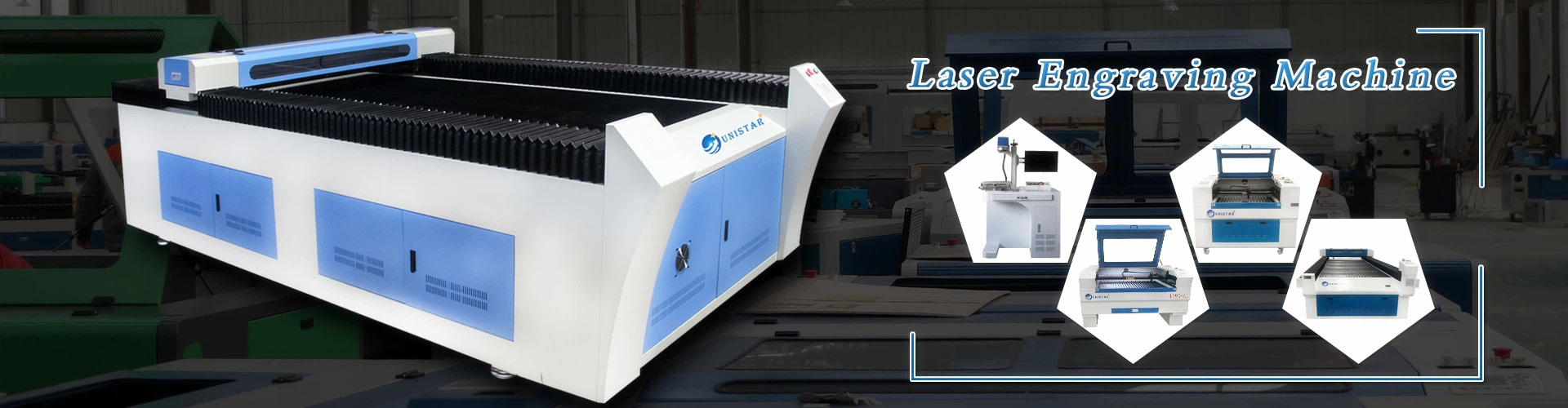
In the dynamic landscape of modern woodworking, Computer Numerical Control (CNC) machines have emerged as game - changers, revolutionizing the way woodworkers approach their craft. These sophisticated tools have transformed the traditional woodworking process, offering unparalleled precision, efficiency, and creative possibilities. This article delves deep into the world of CNC woodworking machines, exploring their functionality, benefits, types, and applications.
1. Understanding CNC Woodworking Machines
At their core, CNC woodworking machines are computer - controlled devices that utilize specialized software to precisely cut, shape, and carve wood materials. Unlike traditional woodworking tools that rely on manual dexterity and operator skill, CNC machines operate based on programmed instructions, ensuring consistent accuracy and repeatability.
1.1 Key Components
Computer System: The brain of the CNC machine, responsible for creating and translating design files into machine - readable instructions. Designers use Computer - Aided Design (CAD) software to create digital models of their projects, which are then imported into Computer - Aided Manufacturing (CAM) software to generate tool - paths.
Motorized Axes: Driven by servo or stepper motors, these axes move the cutting tools along predefined paths in the X, Y, and Z dimensions. The precise movement of the axes allows for intricate cuts and carvings, enabling the creation of complex shapes and designs.
Cutting Tools: End mills, router bits, and other cutting tools are mounted on spindles or tool holders and are responsible for removing material from the workpiece. The choice of cutting tool depends on the type of wood, the desired finish, and the complexity of the design.
Work Surface: Also known as the bed or table, the work surface provides a stable platform for securing the workpiece during the machining process. Vacuum adsorption systems or clamps are often used to hold the workpiece in place, ensuring accuracy and preventing movement.
2. How CNC Woodworking Machines Work
CNC woodworking machines operate by following a set of instructions known as G - code. G - code is a programming language that tells the machine how to move the cutting tools, control the spindle speed, and perform other functions. The process typically involves the following steps:
2.1 Design Creation
The woodworker begins by creating a digital design using CAD software. This can be a 2D drawing or a 3D model, depending on the complexity of the project. The design should include all the necessary details, such as dimensions, shapes, and any intricate patterns or carvings.
2.2 Tool - Path Generation
Once the design is complete, it is imported into CAM software. The CAM software analyzes the design and generates tool - paths, which define the precise movements of the cutting tools required to achieve the desired shape and cuts. The tool - paths take into account factors such as the type of cutting tool, the depth of cut, and the feed rate.
2.3 G - Code Generation
After the tool - paths are generated, they are converted into machine - specific G - code using post - processing software. The G - code contains a series of commands that the CNC machine's controller can understand, such as linear and circular movements, spindle speed changes, and tool changes.
2.4 Machine Operation
The G - code is then transferred to the CNC woodworking machine via a USB connection, network interface, or other means. The machine's controller reads the G - code instructions and executes the programmed movements, guiding the cutting tools to carve out the design from the wood material. The operator can monitor the process and make adjustments as needed, such as changing the cutting speed or depth of cut.
3. Benefits of CNC Woodworking Machines
CNC woodworking machines offer a multitude of advantages that have made them increasingly popular among woodworkers and manufacturers.
3.1 Exceptional Precision
One of the most significant benefits of CNC machines is their ability to achieve unparalleled precision. The computer - controlled movements ensure that each cut and carving is executed with consistent accuracy, resulting in perfectly shaped and sized components. This level of precision is particularly crucial for projects that require intricate details or tight tolerances, such as furniture making, cabinetry, and decorative woodworking.
3.2 High Efficiency
CNC machines are designed to operate at high speeds, allowing for rapid production of parts. Once programmed, they can execute complex designs and operations quickly, significantly reducing production time compared to traditional woodworking methods. Additionally, the ability to automate repetitive tasks eliminates the need for manual labor, freeing up the woodworker to focus on other aspects of the project, such as design and finishing.
3.3 Versatility
CNC woodworking machines are incredibly versatile and can handle a wide range of woodworking tasks. From simple cuts and drills to intricate carvings and joinery, these machines can adapt to various design requirements. They can work with different types of wood, including hardwoods, softwoods, plywood, and composite materials, expanding the creative possibilities for woodworkers.
3.4 Enhanced Productivity
By automating the woodworking process, CNC machines enable woodworkers to produce more workpieces in less time. The ability to run the machine continuously, with minimal operator intervention, increases productivity and throughput. This is especially beneficial for large - scale production runs or projects with tight deadlines.
3.5 Consistent Quality
The precision and repeatability of CNC machines ensure that every workpiece produced is of consistent quality. There is no variation in cuts or carvings, resulting in a uniform finish across all parts. This consistency is crucial for maintaining a high standard of craftsmanship and meeting customer expectations.
3.6 Safety
CNC machines operate in a controlled environment, reducing the risk of accidents associated with manual woodworking tools. The operator can monitor the machine's operation from a safe distance, minimizing the exposure to moving parts and sharp cutting tools. Additionally, many CNC machines are equipped with safety features such as emergency stop buttons and protective enclosures to further enhance operator safety.
4. Types of CNC Woodworking Machines
There are several types of CNC woodworking machines available, each designed to perform specific tasks and cater to different woodworking needs.
4.1 CNC Routers
CNC routers are one of the most common types of CNC woodworking machines. They use a rotating cutting tool, such as a router bit, to remove material from the workpiece. CNC routers are versatile and can be used for a variety of applications, including cutting, carving, routing, and engraving. They are suitable for working with both softwoods and hardwoods, as well as other materials such as plastics and composites.
4.2 CNC Sawmills
CNC sawmills are designed for cutting large pieces of wood into smaller, more manageable sizes. They use a circular saw blade or a band saw to make precise cuts along the length or width of the log. CNC sawmills are commonly used in the lumber industry for producing boards, timbers, and other wood products. They offer high cutting accuracy and can handle a variety of log sizes and species.
4.3 CNC Lathes
CNC lathes are used for turning wood on a horizontal axis, creating cylindrical shapes such as table legs, chair spindles, and wooden bowls. The workpiece is mounted on a chuck or a faceplate and rotated while a cutting tool is fed into the wood to shape it. CNC lathes offer precise control over the turning process, allowing for the creation of complex profiles and designs.
4.4 CNC Drilling Machines
CNC drilling machines are specialized for drilling holes in wood. They can be programmed to drill holes of various sizes, depths, and patterns with high accuracy.
CNC drilling machines are commonly used in the furniture and cabinetry industries for creating holes for screws, dowels, and other fasteners. They can also be used for drilling holes for decorative purposes, such as inlays and fretwork.
4.5 CNC Plasma Cutters
Although not strictly a woodworking machine, CNC plasma cutters can be used to cut wood - based materials such as plywood and MDF. Plasma cutters use a high - temperature plasma arc to melt and vaporize the material, creating a clean and precise cut. They are often used for cutting large sheets of wood - based materials into complex shapes, and are particularly useful for projects that require a high degree of accuracy and speed.
5. Applications of CNC Woodworking Machines
CNC woodworking machines have a wide range of applications across various industries and sectors.
5.1 Furniture Manufacturing
In the furniture industry, CNC machines are used for producing a variety of furniture pieces, including chairs, tables, cabinets, and beds. They enable furniture manufacturers to create intricate designs, precise joinery, and consistent quality in large - scale production. CNC machines can also be used for custom - made furniture, allowing woodworkers to bring their clients' unique design ideas to life.
5.2 Cabinetry and Joinery
CNC machines play a crucial role in the cabinetry and joinery industry. They are used for cutting, shaping, and assembling cabinet components, such as doors, drawers, and frames. The precision of CNC machines ensures a perfect fit for all parts, resulting in high - quality cabinets that are both functional and aesthetically pleasing. CNC machines can also be used for creating decorative elements, such as moldings and carvings, to enhance the look of the cabinets.
5.3 Woodworking Art and Crafts
CNC machines have opened up new possibilities for woodworking artists and craftsmen. They can be used to create intricate and detailed sculptures, carvings, and decorative objects that would be difficult or time - consuming to produce by hand. CNC machines allow artists to experiment with different designs and techniques, and to reproduce their work with consistency and accuracy.
5.4 Architectural Woodworking
In the field of architecture, CNC woodworking machines are used for creating custom - made wood components for buildings, such as doors, windows, staircases, and decorative paneling. The ability to produce complex shapes and precise dimensions makes CNC machines ideal for architectural projects that require a high level of craftsmanship and attention to detail.
5.5 Musical Instrument Making
CNC machines are also used in the production of musical instruments, such as guitars, violins, and pianos. They can be used for shaping the body, neck, and other parts of the instrument with high precision, ensuring optimal sound quality and playability. CNC machines allow instrument makers to create consistent and high - quality instruments, while also reducing production time and costs.
6. Future Trends in CNC Woodworking Machines
As technology continues to advance, the future of CNC woodworking machines looks promising. Here are some trends that are likely to shape the industry in the coming years:
6.1 Integration of Artificial Intelligence (AI) and Machine Learning
AI and machine learning algorithms are expected to be integrated into CNC machines, enabling them to adapt to different materials, cutting conditions, and design requirements. This will allow for more efficient and intelligent machining, as the machine can automatically adjust its settings to optimize performance and reduce waste.
6.2 Increased Connectivity and Internet of Things (IoT)
CNC machines will become more connected, allowing for remote monitoring, control, and data sharing. Through the IoT, woodworkers will be able to access real - time information about the machine's performance, such as cutting speed, tool wear, and energy consumption. This will enable them to make informed decisions and optimize the machining process for maximum efficiency.
6.3 Development of Sustainable and Eco - Friendly Technologies
With growing environmental concerns, there will be a greater focus on developing sustainable and eco - friendly CNC woodworking technologies. This may include the use of recycled materials, energy - efficient motors and components, and the development of alternative cutting methods that reduce waste and pollution.
6.4 Advancements in 3D Printing and Additive Manufacturing
3D printing technology is likely to continue to evolve and become more integrated with CNC woodworking. This will allow for the creation of complex and customized wood products using additive manufacturing techniques, such as printing layers of wood - based materials. The combination of 3D printing and CNC machining will offer new possibilities for design and production, enabling woodworkers to create unique and innovative products.
6.5 Higher Precision and Speed
CNC machines will continue to improve in terms of precision and speed. New technologies and materials will be developed to reduce vibration, improve cutting tool performance, and increase the accuracy of the machine's movements. This will result in faster production times and higher - quality finished products.
In conclusion, CNC woodworking machines have transformed the woodworking industry, offering a wide range of benefits in terms of precision, efficiency, versatility, and productivity. As technology continues to advance, these machines will become even more sophisticated and capable, opening up new possibilities for woodworkers and manufacturers. Whether you are a professional woodworker or a hobbyist, understanding the capabilities and applications of CNC woodworking machines can help you take your woodworking projects to the next level.