

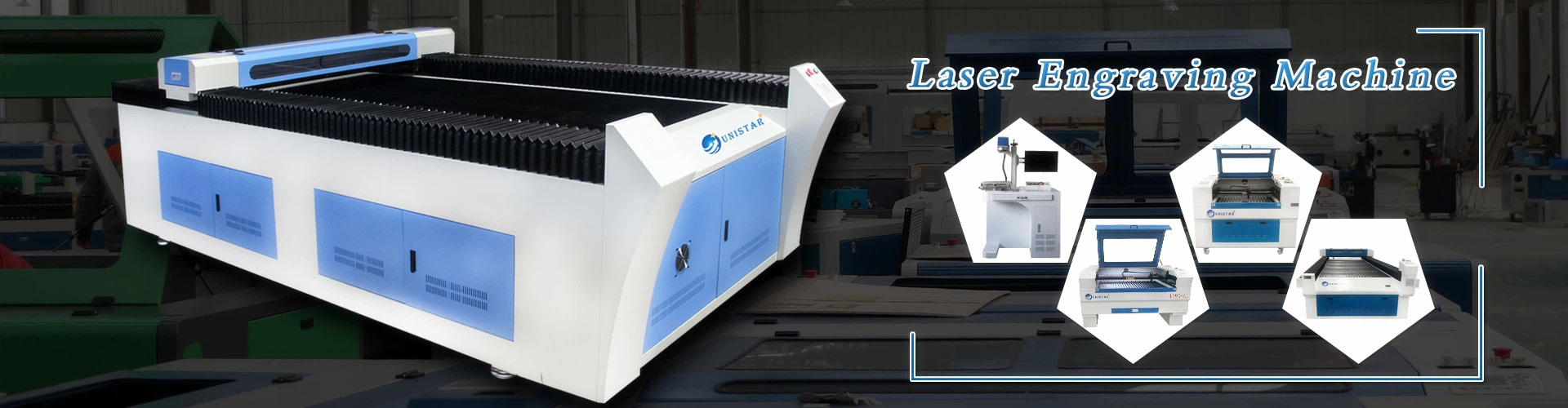
With the development of laser cutting technology, the field of laser cutting is becoming more and more extensive, and more and more materials are applicable. But different materials have different characteristics, so the matters needing attention when using laser cutting are also different
Structural steel
Good results are obtained when the material is cut with oxygen. When oxygen is used as the processing gas, the cutting edges are slightly oxidized. For plates up to 4mm thick, nitrogen can be used for high-pressure cutting. In this case, the cutting edges are not oxidized. For plates with a thickness of more than 10mm, using a special plate for the laser and applying oil to the surface of the workpiece during processing can achieve better results.
aluminum
Despite its high reflectivity and thermal conductivity, aluminum up to 6mm can be cut, depending on the alloy type and laser capabilities. When cutting with oxygen, the cutting surface is rough and hard. When using nitrogen, the cut surface is smooth. Pure aluminum is very difficult to cut because of its high purity. It can be cut only when a "reflective absorption" device is installed on the system. Otherwise reflections can damage optical components.
titanium
Titanium plates are cut with argon and nitrogen as process gases. Other parameters can refer to nickel chromium steel.
Copper and brass
Both materials have high reflectivity and very good thermal conductivity. Brass less than 1mm thick can be cut with nitrogen; copper less than 2mm thick can be cut, and the processing gas must be oxygen. Copper and brass can only be cut when a "reflective absorption" device is installed on the system. Otherwise reflections can damage optical components.
Synthetic material
Keep in mind the dangers of cutting and the hazardous materials that can be emitted when cutting synthetic materials. Synthetic materials that can be processed are: thermoplastics, thermosetting materials and elastomers.
Organic matter
There is a danger of fire in all organic cutting (use nitrogen as process gas, and compressed air can also be used as process gas). Wood, leather, cardboard and paper can be cut with a laser, and the cutting edges will burn (brown).