

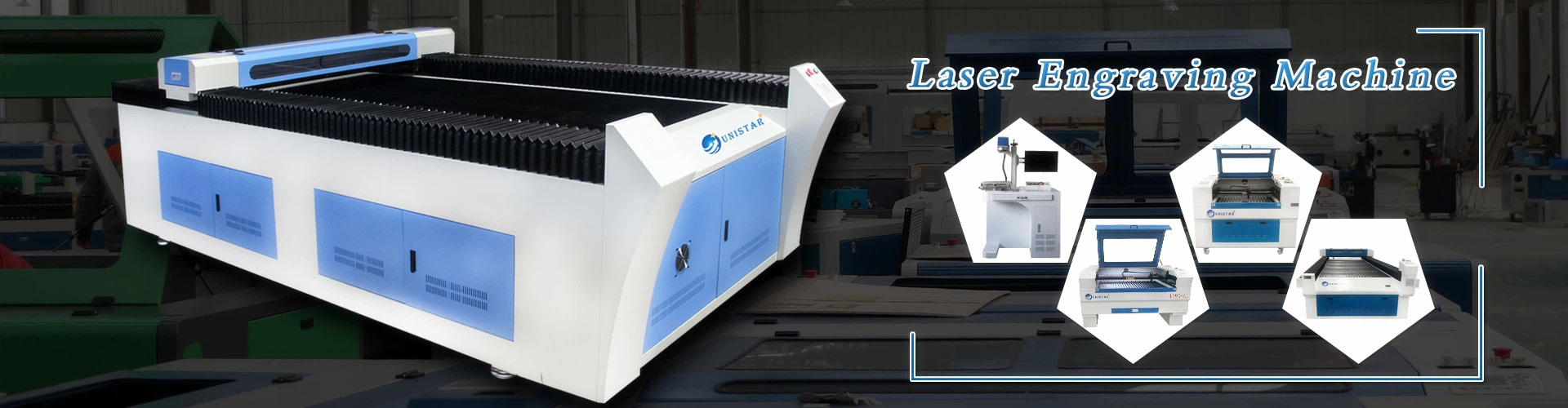
Why does a fiber laser cutting machine need auxiliary gas?
The auxiliary gas of the fiber laser cutting machine plays an important role in cutting. First, it can react chemically with the material to increase the working capacity; second, it can cool and protect the cutting material to achieve higher cutting accuracy; finally, the gas can be used to blow away the slag from the cutting area and clean the equipment.
What are the options for auxiliary gas for fiber laser cutting machines?
When the fiber laser cutting machine is processing metal sheets, the optional auxiliary gases are: air, oxygen, nitrogen.
Air is the most easily available gas, and using air as an auxiliary gas is the most cost-effective, but it also has disadvantages. First, there are impurities in the air, which cannot guarantee cutting accuracy; second, when cutting stainless steel with air, there will be fine burrs on the back, which can be guaranteed by grinding with sandpaper, but it increases labor costs.
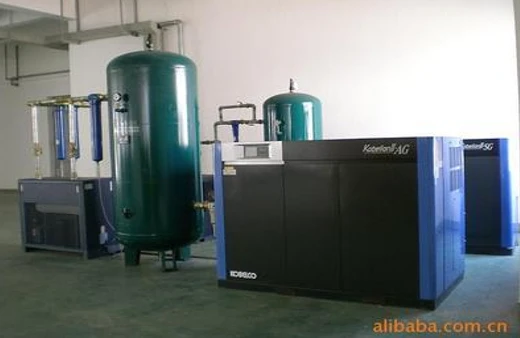
Oxygen is very advantageous when cutting carbon steel because it has the auxiliary effect of cooling and accelerating combustion to speed up cutting. For carbon steel containing a large amount of carbon impurities, it can speed up combustion and thus achieve fast cutting.
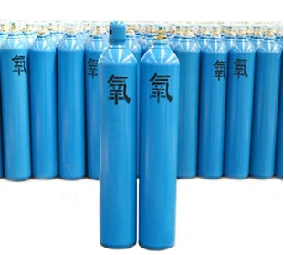
When cutting colored plates, such as aluminum, stainless steel and other materials, nitrogen will play an auxiliary role in cooling and protecting the materials. When cutting these materials, nitrogen is used.
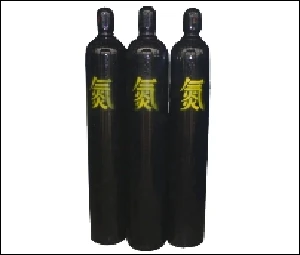
If gas is not used at all:
The slag cannot be removed, the cut surface is rough and sticky;
The heat-affected zone is enlarged and the material is easily deformed;
The risk of lens contamination increases dramatically and the equipment life is shortened.
Fiber laser cutting machines rely on gas to achieve efficient and high-quality cutting. Gas selection needs to be determined based on material type, thickness, and process requirements. Reasonable configuration of gas parameters can significantly improve cutting efficiency and reduce costs, and is a key link in process optimization.