

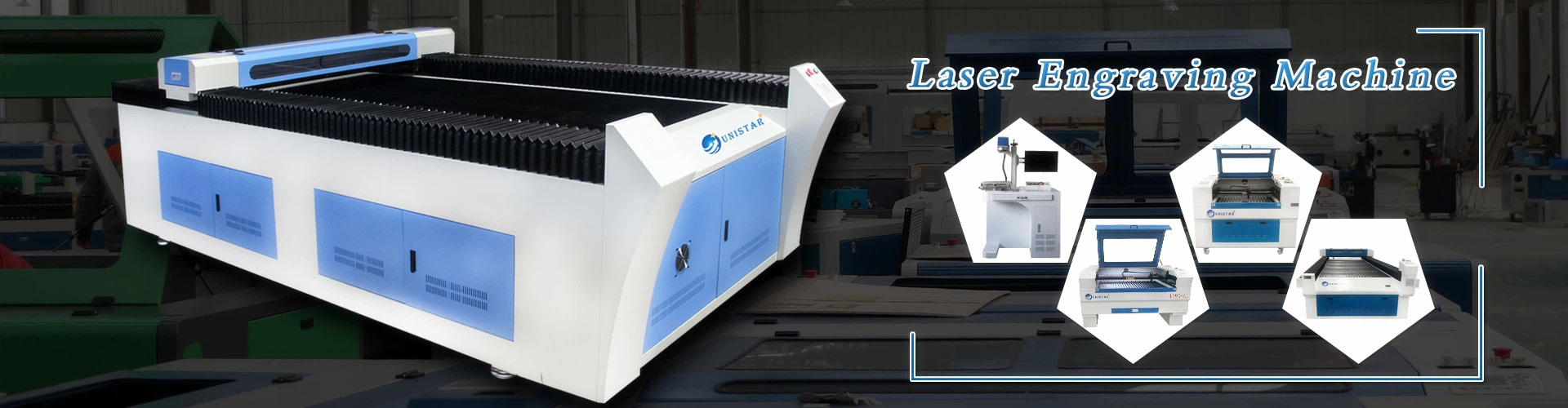


Fiber laser cutting machines and plasma cutting machines have significant differences in principle, application range, cutting quality, cost and applicable materials.
Principle:
Fiber laser cutting machine: Use a high-power density laser beam to irradiate the workpiece, melt, vaporize, ablate or ignite the material, and use a high-speed airflow to blow away the molten material, thereby achieving precise cutting.
Plasma cutting machine: The heat of the high-temperature plasma arc causes the metal at the workpiece cut to melt and evaporate locally, and the momentum of the high-speed plasma flow is used to remove the molten metal to form a precise cut.
Application range
Fiber laser cutting machine: Suitable for cutting metal and non-metal materials. For non-metal materials such as cloth and leather, CO2 laser cutting machines can be used; for metal materials, fiber laser cutting machines are used. Fiber laser cutting machines have a particularly solid position in the field of thin metal plates.
Plasma cutting machines: Mainly used for cutting metal materials such as stainless steel, aluminum, and copper, especially suitable for thick plate cutting and occasions with low precision requirements.
Cutting quality
Fiber laser cutting machines: High cutting accuracy, non-contact cutting with the workpiece surface can be achieved, small cutting gap, smooth end face without burrs, and small heat-affected zone.
Plasma cutting machines: Large cutting gap, rough and uneven end face, low cutting accuracy, suitable for occasions with low cross-section requirements.
Cost and applicable materials
Fiber laser cutting machines: High equipment cost, but low consumables cost, simple maintenance. Applicable to various metal and non-metal materials.
Plasma cutting machines: Low equipment cost, but high consumables cost, especially frequent replacement of cutting torches and electrodes. Applicable to various metal materials, especially thick plates.