

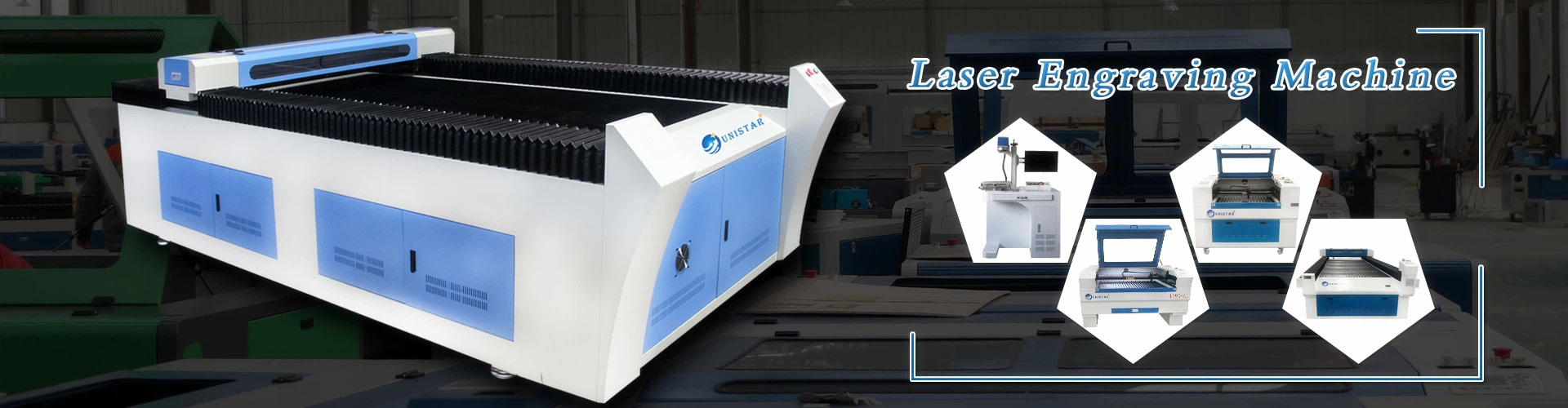
Precautions for Using Fiber Laser Cutting Machines
Fiber laser cutting machines are widely used in various industries due to their high precision, efficiency, and versatility. However, to ensure safe and effective operation, it is crucial to adhere to specific precautions. This article outlines the key points to keep in mind when using a fiber laser cutting machine.
First and foremost, personal protective equipment (PPE) must be worn at all times during operation. This includes safety glasses specifically designed to block laser radiation, as direct or reflected laser beams can cause severe damage to the eyes. Additionally, flame-resistant gloves, aprons, and long-sleeved clothing should be worn to protect the skin from potential burns caused by sparks, molten metal, or hot workpieces.
Before starting the machine, a thorough pre-operation inspection is essential. Check the laser source, optical fibers, and cutting head for any signs of damage, such as cracks, loose connections, or contamination. Ensure that the cooling system is functioning properly, with adequate coolant levels and proper flow. A malfunctioning cooling system can lead to overheating of the laser components, reducing their lifespan and even causing equipment failure. Also, verify that the worktable is clean and free from debris, and that the clamping devices are secure to prevent workpiece movement during cutting.
During operation, strict adherence to operational procedures is necessary. Never leave the machine unattended while it is running, as unexpected issues such as material ignition or equipment malfunctions can occur suddenly. It is important to maintain a safe distance from the cutting area to avoid exposure to harmful fumes, dust, and noise. Ensure proper ventilation in the workspace to remove fumes and dust generated during cutting, as inhaling these substances can be detrimental to health. Use local exhaust ventilation systems if necessary to capture contaminants at the source.
Another important precaution is proper material handling. Only use materials that are compatible with fiber laser cutting. Some materials, such as PVC, can release toxic gases when cut, which are harmful to both the operator and the machine. Before cutting a new material, consult the machine's manual or the material supplier to confirm its suitability. When loading materials onto the worktable, handle them carefully to avoid damaging the machine or causing injury. Ensure that the material is flat and properly aligned to ensure accurate cutting.
After completing the cutting process, post-operation steps should not be overlooked. Turn off the machine in the correct sequence as specified in the manual to prevent damage to the components. Allow the machine to cool down before performing any maintenance or cleaning tasks. Clean the worktable, cutting head, and surrounding area to remove debris, dust, and leftover materials. Inspect the machine again for any signs of wear or damage and report any issues to the appropriate personnel for timely repair.
In addition, regular maintenance of the fiber laser cutting machine is vital for its long-term performance and safety. Follow the manufacturer's recommended maintenance schedule, which may include cleaning optical components, replacing filters, checking and tightening connections, and calibrating the laser beam. Keep detailed records of maintenance activities to track the machine's condition and identify potential problems early.
Training is also a key aspect of safe operation. Operators must receive proper training on the use of the specific fiber laser cutting machine model they will be operating. They should be familiar with the machine's controls, safety features, and emergency shutdown procedures. Training should also cover the hazards associated with laser cutting and how to mitigate them.
Finally, emergency preparedness is essential. Ensure that fire extinguishers are readily available in the workspace, as there is a risk of fire when cutting certain materials. Know the location of emergency stop buttons and how to use them in case of an emergency. Establish a clear protocol for handling accidents, such as burns, eye injuries, or equipment fires, and ensure that all operators are aware of this protocol.
In conclusion, using a fiber laser cutting machine requires careful attention to safety and operational procedures. By wearing appropriate PPE, conducting pre-operation inspections, following operational guidelines, handling materials properly, performing post-operation tasks, maintaining the machine regularly, providing adequate training, and being prepared for emergencies, operators can ensure safe and efficient operation, prolong the machine's lifespan, and achieve high-quality cutting results.