

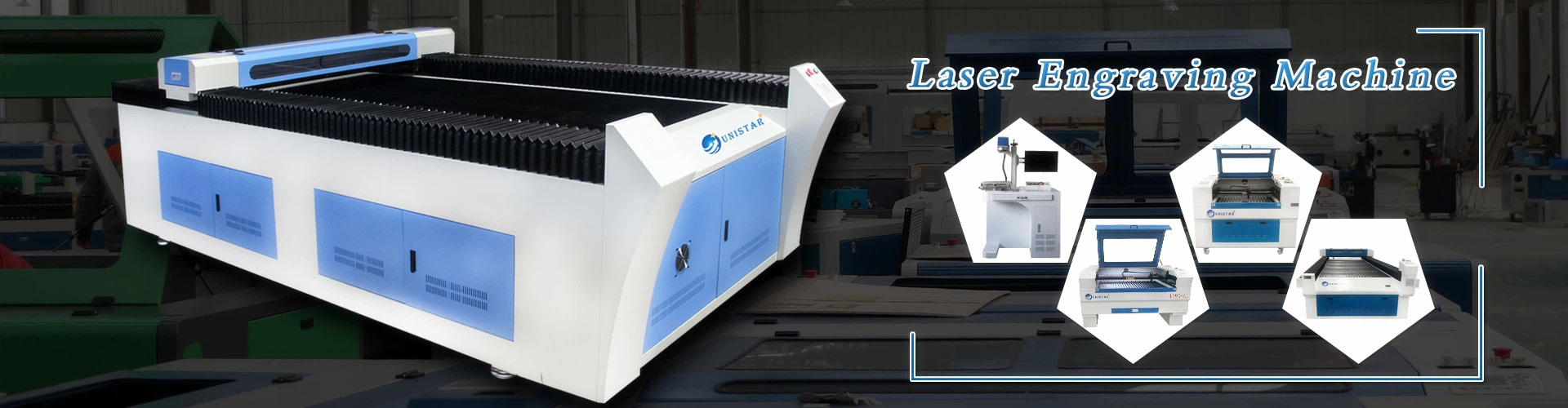
CO2 Laser Machines: An In - Depth Look
1. Introduction
CO2 laser machines have emerged as a cornerstone in the field of laser technology, offering a wide array of applications across numerous industries. These machines utilize the unique properties of CO2 lasers to perform tasks such as cutting, engraving, etching, and marking on a diverse range of materials. The ability of CO2 lasers to produce a high - energy beam at a wavelength of around 10.6 micrometers makes them particularly effective for interacting with various substances, especially non - metallic materials.
2. Working Principle
2.1 Laser Generation
At the heart of a CO2 laser machine is the laser generation process. CO2 lasers operate based on the principle of gas - discharge lasing. In a typical CO2 laser, a mixture of gases, mainly CO2, along with nitrogen (N2) and helium (He), is enclosed within a sealed tube. When an electrical discharge is applied across the electrodes within this tube, the gas mixture becomes excited.
The nitrogen gas plays a crucial role in this process. It is easily excited by the electrical discharge and transfers its energy to the CO2 molecules. The helium gas, on the other hand, helps in cooling the system and maintaining the population inversion required for laser action. As the CO2 molecules gain energy, they transition to higher energy levels. When these excited CO2 molecules return to their lower energy states, they emit photons at a wavelength of approximately 10.6 micrometers. This emission of photons is what forms the basis of the laser beam.
2.2 Beam Amplification and Delivery
Once the laser beam is generated, it needs to be amplified and directed to the workpiece. The laser cavity, which consists of two mirrors - a highly reflective mirror and a partially reflective mirror - is designed to amplify the beam. The laser beam bounces back and forth between these two mirrors, passing through the excited gas medium multiple times. With each pass, more photons are generated through stimulated emission, thus amplifying the intensity of the beam.
The partially reflective mirror allows a portion of the amplified laser beam to exit the cavity. This exiting beam is then directed through a series of optical components, such as lenses and mirrors, which are used to focus and direct the beam precisely onto the surface of the material to be processed. The focused laser beam delivers a high - density energy flux to the material, causing various physical and chemical changes depending on the application.
3. Machine Structure and Components
3.1 Laser Source
The laser source, typically a CO2 laser tube, is the most critical component of the CO2 laser machine. There are two main types of CO2 laser tubes: glass tubes and metal tubes. Glass - tube CO2 lasers are more commonly used in lower - power applications and are relatively inexpensive. However, they have a shorter lifespan, usually around 5000 hours. Metal - tube CO2 lasers, on the other hand, offer higher power output, better beam quality, and a significantly longer lifespan, often ranging from 20000 to 40000 hours. They are more suitable for industrial - scale applications where high - volume and continuous operation are required.
3.2 Optical System
The optical system of a CO2 laser machine is responsible for shaping, focusing, and directing the laser beam. It includes components such as mirrors, lenses, and beam expanders. Mirrors are used to redirect the laser beam along the desired path. High - quality mirrors with high reflectivity coatings are essential to minimize losses during beam reflection. Lenses, especially focusing lenses, are used to converge the laser beam to a small spot on the workpiece surface. The focal length of the lens determines the size of the focused spot and the depth of focus. Beam expanders are used to increase the diameter of the laser beam before it enters the focusing lens. This helps in improving the beam quality and reducing the divergence of the beam, resulting in a more precise and powerful focused spot.
3.3 Motion Control System
The motion control system enables the precise movement of the laser head or the workpiece. In most CO2 laser machines, a combination of stepper motors or servo motors is used to control the movement in the X, Y, and sometimes Z axes. Stepper motors are relatively simple and cost - effective, providing accurate positioning in applications where high - speed operation is not required. Servo motors, on the other hand, offer higher speed, better acceleration, and more precise control. They are often used in industrial - grade CO2 laser machines for applications such as high - speed cutting and engraving. The motion control system is typically controlled by a computer - based controller that receives instructions from design software, allowing for the creation of complex patterns and shapes on the workpiece.
3.4 Power Supply
The power supply unit provides the electrical energy required to drive the laser tube. It converts the incoming electrical power from the mains supply to the high - voltage, high - frequency power needed to excite the gas mixture in the laser tube. The power supply is designed to be stable and reliable, as any fluctuations in the power output can affect the performance of the laser. In addition, modern power supplies often come with features such as current regulation, over - voltage protection, and over - temperature protection to ensure the safe and efficient operation of the laser machine.
3.5 Cooling System
Since the operation of a CO2 laser machine generates a significant amount of heat, an effective cooling system is essential. The cooling system is primarily responsible for removing the heat generated in the laser tube and other components. Water - based cooling systems are commonly used in CO2 laser machines. A coolant, usually a mixture of water and antifreeze, is circulated through the laser tube and other heat - generating components. The coolant absorbs the heat and then passes through a heat exchanger, where the heat is dissipated to the surrounding environment. Some advanced cooling systems also incorporate temperature sensors and controllers to maintain a constant temperature, ensuring optimal performance of the laser machine.
4. Applications
4.1 Engraving and Marking
CO2 laser machines are widely used for engraving and marking applications. In the field of product identification, they can be used to mark serial numbers, barcodes, logos, and other information on a variety of materials. For example, in the electronics industry, CO2 lasers are used to mark components such as circuit boards, capacitors, and resistors. The high precision of CO2 laser engraving allows for the creation of detailed and permanent markings that are resistant to wear and environmental factors. In the jewelry industry, CO2 lasers can be used to engrave intricate designs on precious metals, gemstones, and pearls. They can also be used for personalizing items such as watches, rings, and pendants.
4.2 Cutting
Cutting is another major application of CO2 laser machines. They are highly effective in cutting non - metallic materials such as wood, acrylic, leather, fabric, and paper. In the woodworking industry, CO2 lasers can be used to cut intricate shapes for furniture, decorative items, and wooden crafts. The laser cutting process offers clean cuts with minimal heat - affected zones, reducing the need for secondary finishing operations. In the fashion industry, CO2 lasers are used to cut fabric with high precision, enabling the creation of complex patterns and designs. They can also be used to cut leather for bags, shoes, and other leather goods. In the packaging industry, CO2 lasers are used to cut cardboard and other packaging materials, providing a fast and efficient alternative to traditional cutting methods.
4.3 Etching
CO2 laser etching is used to create permanent and detailed patterns on the surface of materials. This process is commonly used in the production of printed circuit boards (PCBs). CO2 lasers can be used to etch away the copper layer on the PCB to create the desired circuit patterns. The high precision of the laser etching process allows for the creation of fine - line circuits with high resolution. In the glass and ceramic industries, CO2 lasers are used to etch designs, logos, and text on the surface of glassware and ceramic tiles. The laser etching process can create a variety of effects, from frosted to highly detailed engraved patterns.
4.4 Surface Treatment
CO2 lasers can also be used for surface treatment applications. For example, in the automotive industry, CO2 lasers can be used to treat the surface of engine components to improve their wear resistance and fatigue strength. The laser treatment can create a hardened layer on the surface of the metal, without affecting the bulk properties of the material. In the medical industry, CO2 lasers are used for surface treatment of medical devices to improve their biocompatibility. The laser can be used to modify the surface of materials such as titanium implants to enhance cell adhesion and reduce the risk of implant rejection.
5. Advantages of CO2 Laser Machines
5.1 High Precision
CO2 laser machines offer extremely high precision, with the ability to create features as small as a few micrometers. This high level of precision makes them ideal for applications where detailed and accurate work is required, such as micro - machining, electronics manufacturing, and jewelry making. The focused laser beam can be controlled with sub - micron accuracy, allowing for the creation of complex patterns and shapes with minimal error.
5.2 Versatility in Material Processing
One of the key advantages of CO2 laser machines is their ability to process a wide range of materials. They are particularly effective for non - metallic materials, but can also be used to mark and treat some metallic materials when combined with appropriate techniques or coatings. This versatility makes them suitable for a diverse range of industries, from manufacturing and packaging to art and design. Whether it's cutting through thick wood, engraving on delicate glass, or etching on leather, CO2 laser machines can handle the task with ease.
5.3 Non - Contact Processing
CO2 laser machines operate on a non - contact basis, which means there is no physical contact between the laser head and the workpiece. This eliminates the risk of mechanical damage to the workpiece, such as scratches or dents, that can occur with traditional machining methods. Non - contact processing also allows for the processing of fragile or delicate materials that may be easily damaged by mechanical forces. In addition, since there is no tool wear associated with non - contact processing, the laser machine can maintain consistent performance over long periods of operation.
5.4 High - Speed Processing
CO2 laser machines can operate at high speeds, especially in applications such as cutting and engraving. The high - energy laser beam can quickly ablate or vaporize the material, allowing for rapid processing. This high - speed operation makes them suitable for high - volume production environments, where efficiency and throughput are crucial. For example, in the packaging industry, CO2 lasers can cut large quantities of cardboard boxes at high speeds, reducing production time and costs.
5.5 Environmental Friendliness
Compared to some traditional manufacturing processes, CO2 laser machines are relatively environmentally friendly. They do not produce harmful emissions or waste products such as chemicals or particulate matter. The laser cutting and engraving processes are clean and do not require the use of solvents or other hazardous materials. In addition, the energy efficiency of CO2 laser machines has been improving over the years, further reducing their environmental impact.
6. Considerations for Choosing a CO2 Laser Machine
6.1 Power Output
The power output of a CO2 laser machine is a critical factor to consider. The power requirements depend on the type of material to be processed and the thickness of the material. For example, cutting thick wood or metal will require a higher - power laser, while engraving on thin plastic or paper can be achieved with a lower - power laser. It's important to choose a laser machine with sufficient power to meet your specific application needs. However, higher - power lasers also consume more energy and may be more expensive to purchase and operate.
6.2 Beam Quality
The beam quality of a CO2 laser machine affects the precision and quality of the processing results. A good beam quality is characterized by a small beam diameter, low divergence, and high beam intensity. Lasers with better beam quality can produce more precise cuts, engravings, and markings. When choosing a CO2 laser machine, it's important to consider the beam quality specifications provided by the manufacturer. Beam quality can be affected by factors such as the design of the laser cavity, the quality of the optical components, and the stability of the power supply.
6.3 Work Area and Table Size
The size of the work area and table on the CO2 laser machine should be suitable for the size of the workpieces you plan to process. If you need to work with large sheets of material or large - scale objects, you will need a laser machine with a larger work area. On the other hand, if you mainly work with small and delicate items, a smaller work area may be sufficient. Some CO2 laser machines also offer the option of adjustable worktables or additional attachments to accommodate different workpiece sizes and shapes.
6.4 Software Compatibility
The software used to control the CO2 laser machine is an important consideration. The software should be user - friendly and compatible with the design software you use to create your patterns and designs. It should also offer features such as precise control of the laser power, speed, and focus, as well as the ability to import and export different file formats. Some advanced laser control software also includes features such as real - time monitoring, automatic calibration, and error - correction, which can improve the efficiency and accuracy of the laser processing.
6.5 Cost and After - Sales Support
The cost of a CO2 laser machine includes not only the initial purchase price but also the cost of operation, maintenance, and consumables. When comparing different laser machines, it's important to consider the total cost of ownership over the lifespan of the machine. In addition, it's important to choose a manufacturer or supplier that offers good after - sales support, including technical assistance, spare parts availability, and warranty coverage. A reliable after - sales support network can help ensure the smooth operation of the laser machine and minimize downtime in case of any issues.
7. Conclusion
CO2 laser machines have revolutionized the way materials are processed in various industries. Their ability to perform precise cutting, engraving, etching, and surface treatment operations on a wide range of materials makes them an invaluable tool for manufacturers, artists, and hobbyists alike. With continuous advancements in technology, CO2 laser machines are becoming more powerful, efficient, and user - friendly. As the demand for high - precision and versatile material processing solutions continues to grow, CO2 laser machines are expected to play an even more significant role in the future of manufacturing and creative industries.