

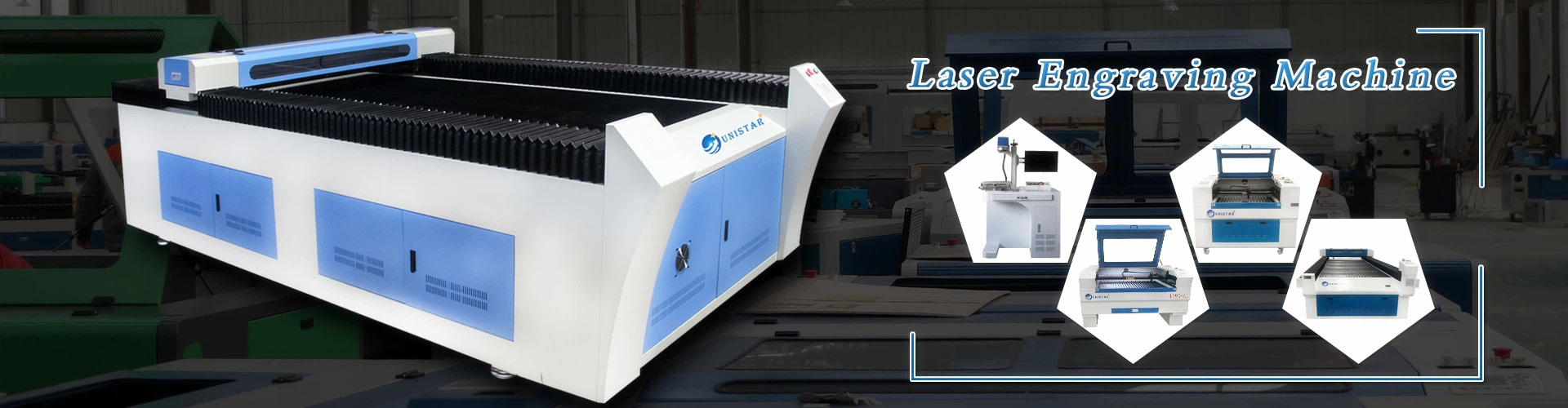
Fiber laser cutting machines have become indispensable in modern manufacturing due to their high precision, efficiency, and versatility. However, to ensure optimal performance, extend equipment lifespan, and most importantly, guarantee operator safety, strict adherence to operating procedures and safety protocols is crucial. Here are key precautions to keep in mind when using fiber laser cutting machines.
1. Pre - operation Inspection
Before starting the machine, conduct a comprehensive inspection. Check the power supply to ensure it meets the machine's requirements and there are no signs of damage or loose connections. Examine the optical components, including the laser source, lenses, and mirrors. Any dust, smudges, or damage on these components can significantly reduce the laser beam quality and cutting efficiency. Clean them using appropriate cleaning materials if necessary, following the manufacturer's guidelines.
Also, inspect the cooling system. Adequate cooling is vital for the stable operation of the laser source and other key components. Ensure that the coolant level is within the recommended range, and there are no leaks in the pipes. Additionally, check the mechanical parts such as the guide rails, screws, and cutting table for any signs of wear, looseness, or obstruction. A malfunctioning mechanical system can lead to inaccurate cuts and potential equipment damage.
2. Personal Protective Equipment (PPE)
Operators must wear the appropriate personal protective equipment at all times during operation. This includes specialized laser - safety goggles that are designed to block the specific wavelength of the laser emitted by the machine. Without proper eye protection, the intense laser light can cause permanent damage to the eyes, leading to vision impairment or even blindness.
In addition to goggles, wear flame - retardant clothing to protect against potential fire hazards caused by sparks and hot metal debris generated during the cutting process. Gloves made of heat - resistant materials should be worn to prevent burns when handling hot workpieces or adjusting the machine. Safety shoes with steel toes are also recommended to protect the feet from falling objects or accidental impacts.
3. Material Handling and Setup
Only use materials that are suitable for laser cutting with the machine. Different materials have different melting points, thermal conductivities, and chemical properties, which affect the cutting process. For example, materials containing chlorine or other harmful substances can release toxic fumes when cut by a laser, posing a threat to operator health and the environment.
When placing the material on the cutting table, ensure it is properly aligned and securely fixed. Uneven or unstable material placement can result in inaccurate cuts and may cause the material to shift during the cutting process, potentially damaging the cutting head or causing accidents. Use appropriate clamping devices to hold the material firmly in place, and double - check the alignment before starting the cutting operation.
4. Operating Procedures
Strictly follow the standard operating procedures provided by the manufacturer. Familiarize yourself with the control panel functions, including start/stop buttons, speed adjustment, and power settings. Set the cutting parameters, such as laser power, cutting speed, and gas pressure, according to the material type and thickness. Incorrect parameter settings can lead to poor cutting quality, excessive heat - affected zones, or even failure to cut through the material.
During the cutting process, maintain a safe distance from the cutting area. Do not reach into the working area or attempt to touch the moving parts of the machine while it is in operation. Keep a close eye on the cutting process to detect any abnormalities, such as irregular cutting lines, excessive smoke, or unusual noises. If any issues are detected, stop the machine immediately and investigate the cause.
5. Post - operation Maintenance
After each use, perform routine maintenance tasks. Clean the cutting table and remove any debris, slag, or remnants of the cut material. This not only keeps the work area tidy but also prevents the accumulation of debris from affecting future cutting operations. Check the condition of the cutting head and replace any worn - out components in a timely manner.
Regularly service the machine according to the manufacturer's maintenance schedule. This may include tasks such as lubricating the mechanical parts, calibrating the optical system, and checking the electrical connections. Proper maintenance can significantly extend the lifespan of the fiber laser cutting machine and ensure its continued reliable performance.
6. Emergency Response
Be familiar with the emergency stop procedures and locations of emergency stop buttons on the machine. In case of an emergency, such as a fire, equipment malfunction, or personal injury, press the emergency stop button immediately to halt the machine's operation. Know the location of fire extinguishers and other safety equipment in the vicinity of the machine, and be trained in their proper use.
In addition, establish an emergency communication plan. Ensure that operators know how to contact emergency responders and other relevant personnel in case of an incident. Regularly conduct emergency drills to ensure that all personnel are proficient in emergency response procedures.
In conclusion, operating fiber laser cutting machines requires a combination of technical knowledge, strict adherence to safety protocols, and regular maintenance. By following these precautions, operators can minimize risks, improve cutting quality, and ensure the long - term, efficient operation of the equipment.