

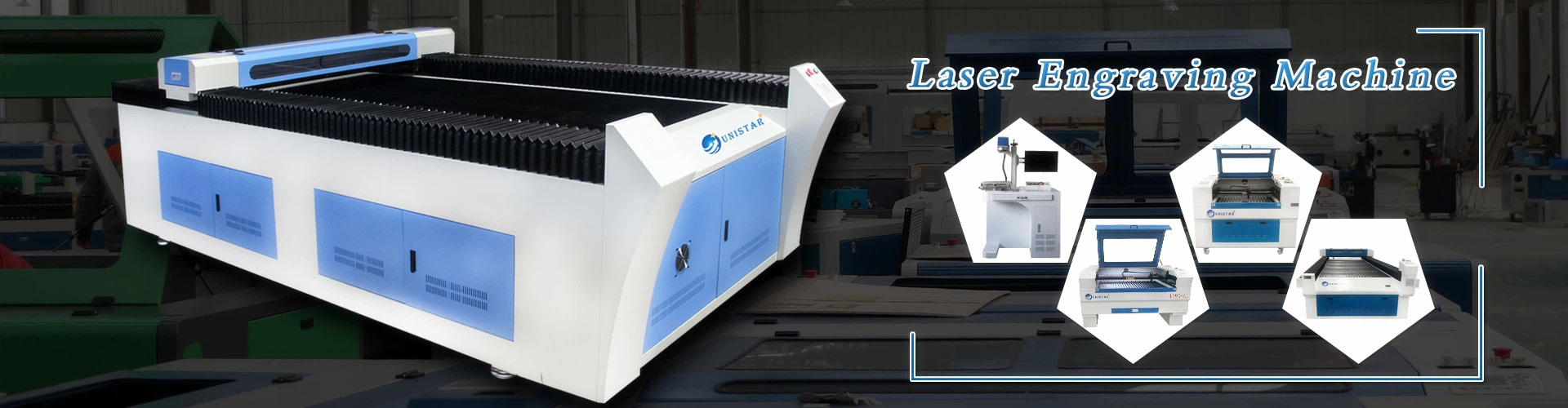
How to Choose the Right CNC Router for Your Needs
CNC (Computer Numerical Control) routers have become a widely used tool in modern manufacturing. They are used in industries such as woodworking, metalworking, and plastic manufacturing because they can efficiently and accurately cut, engrave, or process a variety of materials. Choosing a CNC router that fits your production needs is a complex and in-depth process. This article will explore how to choose the most appropriate CNC router for your specific needs.
Identify Your Needs
Before choosing a CNC router, you first need to identify the specific needs and goals involved in your production. This process mainly includes the following aspects:
Project Requirements
Different projects have different requirements for CNC routers. If you are engaged in simple cutting tasks, you may only need a basic desktop CNC router. If your project involves complex engraving or high-precision processing, you will need a high-precision, high-performance router. Before choosing, be sure to conduct a thorough analysis of your project needs.
Material Compatibility
CNC routers can handle a variety of materials, including wood, plastic, metal, and composites. Each material has different hardness, density, and processing requirements, so the equipment characteristics required are also different. For example, wood processing may not require an overly powerful spindle, while metal processing requires support for higher power and speed. It is very important to ensure that the router you choose can handle your main materials.
Production Scale
The scale of production determines the size and functionality of the equipment required. Single-piece customization and small-batch production may only require a small CNC router, while large-scale production requires a larger and more powerful machine. Choosing a router based on the scale of production can avoid unnecessary investment while ensuring production efficiency.
Precision Requirements
If your production process requires very fine processing, it is crucial to choose a high-precision CNC router. Different CNC routers have different capabilities in precision and tolerance control, so you need to choose the equipment according to the required level of precision.
Workpiece Size
Choose the right CNC router based on the size of the workpiece you will be processing. Larger workpieces require a larger worktable, so make sure the worktable size of the selected router is large enough to meet your needs.
Consider Key Features
CNC routers have several key features that determine their applicability. Understanding these features and choosing according to your needs is the key to successful equipment selection.
Table Size and Work Area
The table size is one of the most basic considerations when choosing a CNC router. If you are working with larger workpieces, it is especially important to choose a CNC router with sufficient work area. For example, if you need to process a workpiece that is 4' x 8', choosing a CNC router that meets this specification will ensure that the processing is not restricted.
Spindle Power and Speed
The spindle is the part of the CNC router that rotates the cutting tool. Spindle power and speed are important factors to consider when choosing a CNC router. Higher spindle power allows the router to cut through harder materials, while higher spindle speed allows for faster cutting and more precise engraving. Consider the materials you will be working with and the type of processing you will be doing when choosing a spindle.
Drive System
The drive system of a CNC router is responsible for moving the cutting tool and the workpiece. There are several types of drive systems available, including belt-driven, ball screw-driven, and rack and pinion-driven. Each type of drive system has its own advantages and disadvantages, so it is important to choose the one that best suits your needs. For example, belt-driven systems are generally less expensive but may not be as accurate as ball screw-driven or rack and pinion-driven systems.
Control System
The control system of a CNC router is the brain of the machine. It is responsible for controlling the movement of the cutting tool and the workpiece, as well as monitoring the performance of the machine. There are several types of control systems available, including computer numerical control (CNC), programmable logic control (PLC), and microcontroller-based control systems. Each type of control system has its own advantages and disadvantages, so it is important to choose the one that best suits your needs. For example, CNC control systems are generally more powerful and flexible but may be more expensive than PLC or microcontroller-based control systems.
Tool Changer
If you will be doing a lot of different types of processing, a tool changer can be a valuable addition to your CNC router. A tool changer allows you to automatically change the cutting tool without having to stop the machine and manually change the tool. This can save you a lot of time and increase your productivity.
Vacuum System
A vacuum system can be used to hold the workpiece in place during processing. This is especially important when working with thin or delicate materials that may be difficult to hold in place with traditional clamping methods. A vacuum system can also help to keep the work area clean by sucking up dust and debris generated during processing.
Evaluate the Manufacturer and Supplier
When choosing a CNC router, it is important to evaluate the manufacturer and supplier. Look for a manufacturer that has a good reputation for quality and reliability. Check online reviews and customer testimonials to get an idea of the experiences of other customers. Also, consider the level of support and service offered by the manufacturer and supplier. Look for a company that offers technical support, training, and maintenance services.
Consider the Cost
The cost of a CNC router can vary widely depending on the features and capabilities of the machine. When considering the cost, it is important to look beyond the initial purchase price and consider the total cost of ownership. This includes factors such as maintenance, repair, and replacement parts. Also, consider the long-term value of the machine and how it will impact your production efficiency and profitability.
Conclusion
Choosing the right CNC router for your needs is a complex process that requires careful consideration of several factors. By identifying your needs, considering key features, evaluating the manufacturer and supplier, and considering the cost, you can choose a CNC router that will meet your production needs and help you to achieve your business goals.