

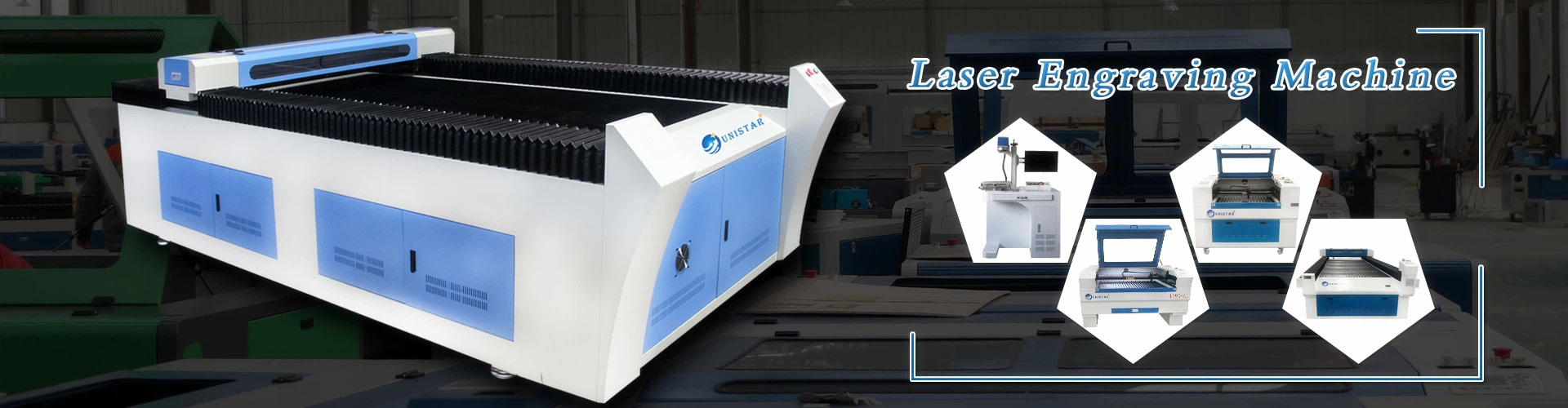
Application Range of CO2 Laser Machines
CO2 laser machines have carved out a significant niche in various industries due to their versatility, precision, and efficiency. These machines utilize a gas mixture of carbon dioxide, nitrogen, and helium to generate a high-energy laser beam, which can be used for a wide array of applications.
1. Material Cutting
One of the most common applications of CO2 laser machines is material cutting. They excel at cutting a diverse range of non-metallic materials, such as wood, acrylic, leather, fabric, and paper. For instance, in the furniture manufacturing industry, CO2 lasers can precisely cut wooden components into intricate shapes, ensuring high accuracy and smooth edges. In the fashion sector, they enable rapid and precise cutting of various fabrics, reducing material waste and increasing production efficiency. Moreover, they can cut through thin plastic sheets with ease, which is crucial in industries like packaging, where custom-shaped plastic components are often required.
2. Engraving and Marking
CO2 laser machines are also highly effective for engraving and marking purposes. They can create detailed and permanent marks on materials like wood, glass, ceramics, and some plastics. In the art and craft industry, artists use these lasers to engrave personalized designs, patterns, and text on wooden plaques, glassware, and ceramic tiles, adding a unique touch to their creations. In the manufacturing of consumer goods, CO2 lasers are used to mark product names, logos, and serial numbers, enhancing brand recognition and product traceability.
3. Medical Applications
In the medical field, CO2 laser machines play an important role. They are widely used in dermatology for procedures such as skin resurfacing, removing warts, moles, and other skin lesions. The laser's precise energy delivery allows for controlled tissue ablation, minimizing damage to surrounding healthy tissue and reducing recovery time. Additionally, in surgical procedures, CO2 lasers can be used for cutting and coagulating tissues, providing better hemostasis and reducing the risk of infection compared to traditional surgical tools.
4. Surface Treatment
CO2 lasers are employed for surface treatment tasks, including cleaning, texturing, and annealing. In the automotive industry, they can be used to clean the surface of metal parts, removing contaminants and preparing the surface for subsequent coating or bonding processes. By altering the surface texture through laser treatment, the adhesion of coatings and the friction properties of components can be improved. Annealing with CO2 lasers can also enhance the mechanical properties of certain materials, such as improving the hardness and wear resistance of metals.
5. 3D Printing
In the emerging field of 3D printing, CO2 laser machines contribute significantly. They can be used in selective laser sintering (SLS) processes for certain polymers. The laser selectively sinters layers of powdered material, building up a 3D object layer by layer. This technology enables the production of complex geometries and customized parts with high precision, finding applications in prototyping, aerospace, and dental industries.
In conclusion, the application range of CO2 laser machines is extensive and continues to expand as technology advances. Their ability to handle a variety of materials and perform multiple tasks with high precision makes them indispensable tools across numerous industries, driving innovation and productivity.