

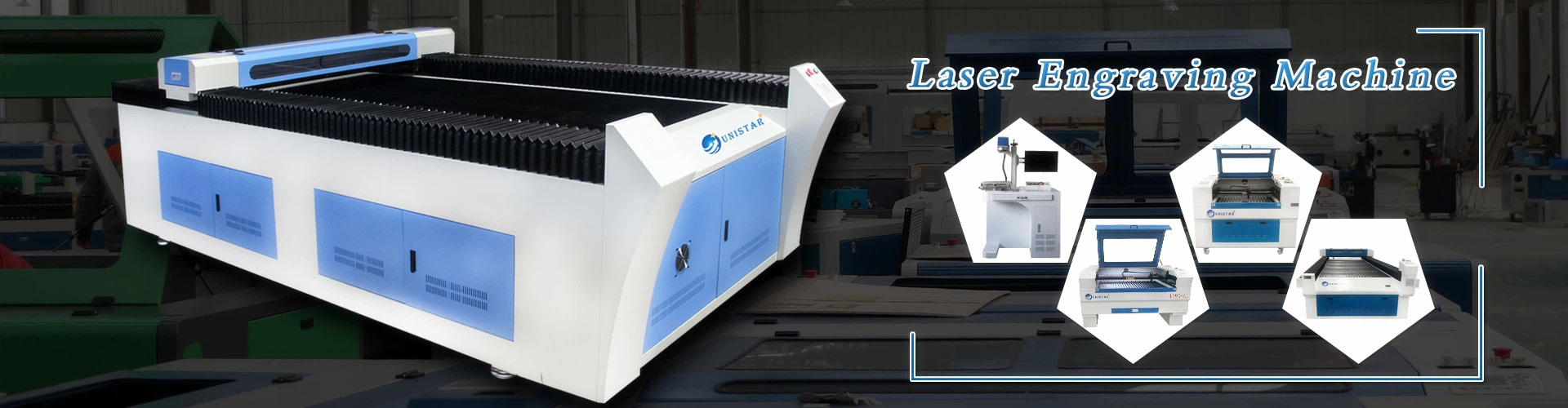
Why Fiber Laser Cutters Require Air Compressors and Voltage Stabilizers
Fiber laser cutters have revolutionized modern manufacturing with their precision, speed, and versatility, cutting through metals, plastics, and composites with remarkable accuracy. Yet, many users overlook two critical auxiliary components: air compressors and voltage stabilizers. Far from being "optional extras," these devices are essential to the cutter's performance, longevity, and safety. This article explains why they are indispensable to the fiber laser cutting process.
The Unsung Hero: Air Compressor's Critical Roles
At first glance, air and laser cutting seem unrelated-but compressed air is integral to nearly every stage of the cutting operation. Its functions can be divided into three core categories, each directly impacting the quality and reliability of the work.
1. Shielding the Laser Optics: A Barrier Against Contamination
The heart of a fiber laser cutter is its optical system, which includes lenses and mirrors that focus and direct the high-power laser beam. Even tiny particles of dust, metal slag, or smoke generated during cutting can adhere to these optics. If left unaddressed, this contamination scatters the laser beam, reducing cutting precision and eventually damaging the optics (a costly repair).
Compressed air solves this by creating a "protective curtain" around the optical components. A continuous stream of clean, dry compressed air blows away contaminants before they reach the lenses or mirrors, maintaining the laser's focused intensity and extending the lifespan of expensive optical parts.
2. Assisting the Cutting Process: Cooling and Debris Removal
Laser cutting generates intense heat-temperatures at the cutting point can exceed 5,000°C for metal materials. This heat must be managed to prevent two major issues: warping of the workpiece and buildup of molten debris (called "dross") on the cut edges.
Compressed air is directed at the cutting zone alongside the laser beam. It serves two purposes here: first, it cools the workpiece rapidly, minimizing thermal distortion and ensuring the cut maintains its intended shape. Second, it blows away molten dross, leaving a smooth, clean edge that requires little post-processing. For non-metallic materials like plastics, compressed air also prevents the laser from igniting the material by dissipating heat and removing flammable residues.
3. Powering Pneumatic Components: The Cutter's Mechanical Lifeline
Fiber laser cutters rely on numerous pneumatic devices to function, including clamping systems that secure the workpiece, conveyor belts that move materials, and valves that control the laser's path. These components require a steady supply of compressed air to operate with precision and consistency. Without an air compressor, the cutter's mechanical systems would fail to function, bringing the entire operation to a halt.
Voltage Stabilizer: Safeguarding the Laser's "Brain"
Fiber laser cutters are high-precision electronic devices, and their performance is highly sensitive to fluctuations in electrical voltage. Even small variations in the power supply can have catastrophic effects on the cutter and its output. A voltage stabilizer acts as a "buffer" between the power grid and the cutter, ensuring a steady flow of electricity. Here's why it matters:
1. Protecting Sensitive Electronic Components
The cutter's laser source, control panel, and sensor systems are designed to operate at a specific voltage (e.g., 220V or 380V). Voltage spikes (sudden increases in voltage) can burn out these components, while voltage dips (sudden decreases) can cause them to malfunction. For example, a voltage spike might damage the laser diode-one of the most expensive parts of the cutter-resulting in downtime and costly repairs. A stabilizer detects these fluctuations and adjusts the voltage to keep it within the safe range, extending the lifespan of the cutter's electronics.
2. Ensuring Cutting Precision
The laser beam's intensity and focus are controlled by electronic systems that require consistent power. A voltage dip can reduce the laser's power, leading to incomplete cuts or uneven edges. Conversely, a voltage spike can increase the laser's power beyond the desired level, burning the workpiece or widening the cut. By maintaining a steady voltage, the stabilizer ensures the laser operates at a constant power level, delivering uniform, precise cuts every time.
3. Preventing Unexpected Shutdowns
In manufacturing environments, power grid fluctuations are common-caused by factors like heavy machinery starting up, power outages, or electrical storms. An unexpected voltage drop can trigger the cutter's safety systems, shutting it down abruptly. This not only disrupts production schedules but also risks damaging the workpiece (if the cut is interrupted mid-process) and the cutter itself (from sudden power loss). A voltage stabilizer prevents these shutdowns by smoothing out voltage variations, keeping the cutter running reliably.
Conclusion: Auxiliary Components = Core Performance
Air compressors and voltage stabilizers may not be the "stars" of the fiber laser cutting system, but they are essential to its success. The air compressor protects the cutter's optics, enhances cutting quality, and powers its mechanical systems, while the voltage stabilizer safeguards its electronics and ensures precise, consistent performance. Together, these components maximize the cutter's efficiency, extend its lifespan, and reduce maintenance costs-making them investments that pay off in the long run. For anyone using a fiber laser cutter, skipping these auxiliary devices is not just risky; it's a compromise on the very performance that makes laser cutting so valuable.