

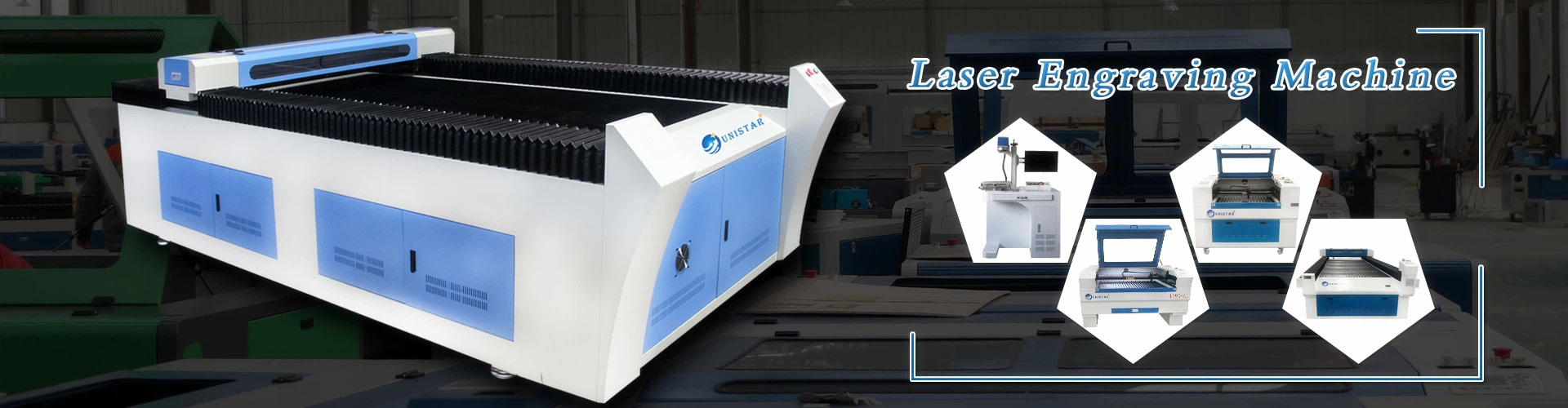
The Role of CNC Routers in Different Industries
In the era of intelligent manufacturing, Computer Numerical Control (CNC) routers have become an indispensable core tool in modern production. A CNC router is a high-precision automated machine that uses computer programs to control the movement of cutting tools, enabling accurate, repeatable, and efficient processing of various materials-from metals and plastics to wood and composites. Unlike traditional manual or semi-automatic equipment, CNC routers eliminate the errors caused by human operation, realize continuous batch production, and adapt to the processing needs of complex shapes, thus playing a vital role in promoting the upgrading and development of multiple industries. This article will explore the specific applications and irreplaceable value of CNC routers in different fields.
1. Woodworking Industry: The Cornerstone of Efficient and Precise Decoration
The woodworking industry is one of the earliest and most widely used fields for CNC routers. In traditional woodworking, complex patterns, irregular shapes, and precise size control rely heavily on the experience and skills of craftsmen, which are not only inefficient but also difficult to ensure consistency in batch production. CNC routers have completely changed this situation with their unique advantages.
In furniture manufacturing, CNC routers can accurately process cabinet doors, craft wooden doors, screens, and decorative panels, realizing complex processes such as milling, carving, and cutting in one go. For example, the delicate relief patterns on classical furniture, the precise tenon-and-mortise structures, and the personalized shapes of modern simple furniture can all be completed by CNC routers with high precision and high efficiency. In addition, CNC routers can also process three-dimensional wave boards, craft fan windows, and other decorative components, greatly enriching the design forms of wood products. What's more, the dust collection function integrated in the machine can effectively reduce the impact of wood dust on the working environment and the health of workers, making the production process more environmentally friendly and safe.
2. Advertising and Signage Industry: The Tool for Personalized and Efficient Production
The advertising and signage industry has high requirements for personalization, diversity, and production efficiency, and CNC routers just meet these needs perfectly. As a professional equipment for sign making, CNC routers can process a variety of advertising materials, including acrylic, PVC boards, foam boards, two-color boards, and crystal panels, and produce high-quality advertising products with different shapes and effects.
In the production of advertising signs, CNC routers can accurately cut large characters, engrave exquisite patterns and text, and realize the production of luminous characters, relief signs, and hollow signs, making the advertising effect more vivid and eye-catching. In addition, CNC routers can also be used for the production of blister molds and light box molds, providing strong support for the production of outdoor advertising and indoor decorations. The software compatibility of CNC routers is excellent, which can be compatible with various CAD/CAM design software such as Type3 and Artcam, allowing designers to directly convert creative designs into actual products, greatly shortening the design and production cycle.
3. Aerospace Industry: The Core Guarantee for High-Precision Component Processing
The aerospace industry has extremely strict requirements for the precision, reliability, and performance of components, and CNC routers (especially five-axis CNC routers) have become an indispensable processing equipment in this field. The tolerance of conventional aerospace components usually needs to be controlled within ±0.0005 inches (about 12.7 microns), and key components such as engines even require an ultra-high precision of ±0.0001 inches (about 2.5 microns), which can be easily achieved by CNC routers.
In aerospace manufacturing, CNC routers are widely used in the processing of engine components, fuselage structural parts, landing gear systems, and aerospace electronic enclosures. For example, turbine blades and compressor disks, which need to withstand extreme high temperatures and pressures, rely on CNC routers to process complex curved surfaces to ensure dimensional consistency and aerodynamic performance. Fuselage frames, bulkheads, and wing spars, which are the load-bearing skeletons of aircraft, are processed by CNC routers to achieve high strength, light weight, and stable dimensions, ensuring the reliable assembly of the global fleet. In addition, CNC routers can also process satellite components that need to work in a vacuum environment, ensuring their reliable operation throughout the mission cycle.
4. Automotive Manufacturing Industry: The Driving Force for Lightweight and Customization
With the development of the automotive industry towards lightweight, energy-saving, and personalized directions, CNC routers have been widely used in automotive manufacturing and have become an important driving force for industrial upgrading. CNC routers can process a variety of automotive components, covering engine parts, transmission cases, interior structural parts, and lightweight components.
In terms of lightweight design, CNC routers can process composite materials such as carbon fiber and glass fiber-reinforced materials, which are widely used in the production of drone frames and automotive lightweight components, effectively reducing the weight of the vehicle and improving fuel efficiency. In automotive interior production, CNC routers can process ABS plastic, PC, and other engineering plastics to produce door panels, instrument panels, and decorative parts with complex shapes and smooth surfaces, meeting the personalized needs of different models. In addition, CNC routers can also be used for the processing of automotive molds, such as injection molds and stamping molds, improving the precision and service life of the molds, and thus ensuring the quality of automotive components.
5. Medical Equipment Industry: The Key Support for Precision and Safety
The medical equipment industry has extremely high requirements for the precision and biocompatibility of products, and CNC routers play an important role in the processing of medical equipment components. With their high precision and stable performance, CNC routers can process medical devices that meet strict medical standards, providing a strong guarantee for medical safety.
In the production of medical equipment, CNC routers are used to process surgical instruments, implantable parts (such as titanium alloy bone stents), CT machine positioning rings, and artificial joints. For example, titanium alloy bone stents need to have precise dimensions and smooth surfaces to adapt to the human body environment, and CNC routers can achieve micron-level processing precision to ensure the biocompatibility and safety of the stents. In addition, CNC routers can also process precision components of medical instruments, such as micro grippers for surgical instruments, ensuring the accuracy and reliability of medical operations.
6. Other Industries: The Versatile Helper for Diversified Production
In addition to the above industries, CNC routers also play an important role in many other fields. In the mold manufacturing industry, CNC routers can process various reliefs, shadow carvings, and through carvings, realizing various processing effects such as plane carving, cutting, and bottom milling, and improving the production efficiency and precision of molds. In the stone processing industry, CNC routers can process three-dimensional reliefs, line carvings, and cutting of natural marble, granite, and artificial stone, which are widely used in the production of tombstones, milestones, and decorative tiles.
In the craft gift industry, CNC routers can carve exquisite patterns and texts on wood, bamboo, organic boards, and other materials, realizing the personalized customization of craft gifts and improving their artistic value. Even in the film and television industry, CNC routers are used to build molds and backgrounds for large-scale movies and set scenes for Broadway operas, showing their versatile application value.
Conclusion
From the woodworking industry that is closely related to daily life to the high-tech aerospace industry, from the advertising industry that pursues personalization to the medical equipment industry that focuses on safety and precision, CNC routers have penetrated into all aspects of modern production and become an important symbol of intelligent manufacturing. With their advantages of high precision, high efficiency, strong adaptability, and good repeatability, CNC routers not only improve production efficiency and product quality but also promote the innovation and upgrading of industrial technologies, bringing new development opportunities to various industries.
With the continuous development of digital technology, CNC routers will be more intelligent and integrated, and their application fields will be further expanded, continuing to play an irreplaceable role in promoting the high-quality development of the manufacturing industry.