

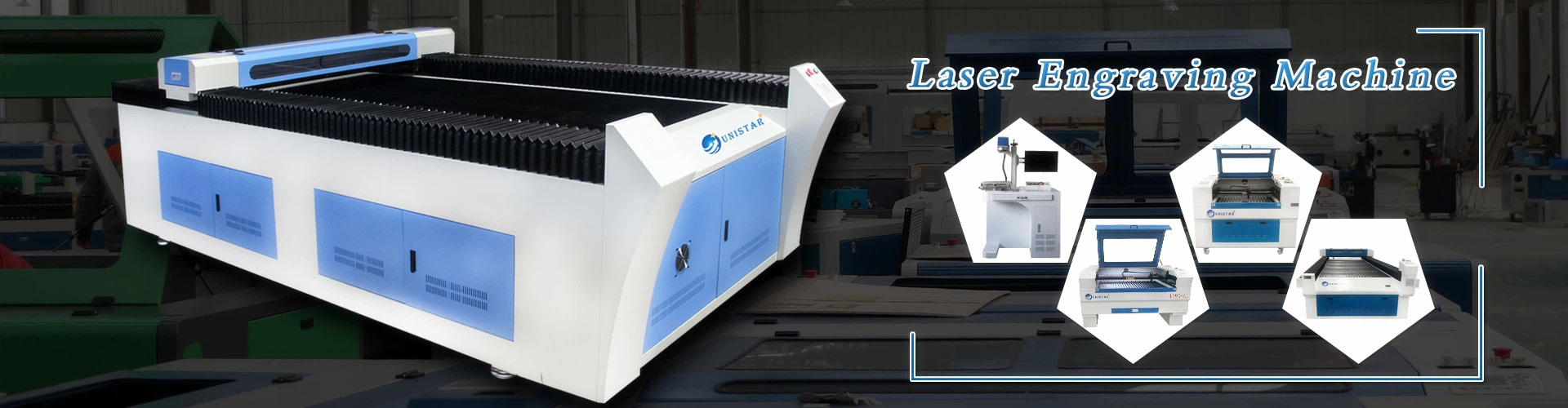
The Advantages of Using a CNC Router Machine in Work
In the realm of modern manufacturing and fabrication, CNC router machines have emerged as indispensable tools, revolutionizing the way various materials are processed. These computer-controlled systems offer a multitude of advantages that make them stand out compared to traditional manual methods.
One of the most prominent advantages is exceptional precision and accuracy. CNC routers operate based on pre-programmed designs, ensuring that each cut, carve, or shape is executed with minimal deviation. This level of precision is hard to achieve with manual operations, where human error can easily creep in. Whether working on wood, metal, plastic, or composite materials, the CNC router consistently produces parts and products that meet strict dimensional requirements, which is crucial for industries such as aerospace, automotive, and furniture making.
Efficiency is another key benefit of using a CNC router machine. Once the design is programmed into the system, the machine can work continuously with little to no supervision, significantly reducing production time. Unlike manual processes that require constant human intervention and are prone to fatigue-related slowdowns, CNC routers maintain a steady pace. They can handle complex tasks that would take a skilled craftsman hours or even days to complete in a fraction of the time, thereby increasing overall productivity and allowing businesses to meet tight deadlines more effectively.
CNC router machines also offer remarkable versatility. They can perform a wide range of operations, including cutting, drilling, engraving, and 3D carving, all with the same machine by simply changing the tooling and adjusting the program. This versatility eliminates the need for multiple specialized machines, saving valuable workshop space and reducing equipment costs. Whether it's creating intricate patterns on a wooden cabinet door, cutting precise holes in a metal sheet, or engraving logos on plastic components, the CNC router adapts effortlessly to different tasks and material types.
Moreover, consistency in production is a major advantage. When producing multiple identical parts, a CNC router ensures that each piece is exactly the same as the first. This uniformity is essential for mass production, where interchangeability of parts is vital. Manual production often results in slight variations between pieces, which can cause problems during assembly or affect the overall quality of the final product. With CNC routers, businesses can maintain a high standard of quality across all their output.
In terms of material utilization, CNC routers are highly efficient. The advanced software used to program the machine optimizes the cutting path, minimizing material waste. This is particularly important when working with expensive materials, as it helps reduce costs and improve sustainability. The precise control over the cutting process also means that less material is damaged or scrapped, further enhancing material efficiency.
Additionally, ease of use and flexibility in design make CNC routers appealing. Modern CNC software is user-friendly, allowing operators to create or import designs with relative ease. Changes to the design can be made quickly and implemented without extensive retooling, making the production process more flexible and responsive to customer demands or design modifications. This adaptability is crucial in today's fast-paced manufacturing environment, where market trends and customer requirements can change rapidly.
In conclusion, the advantages of using a CNC router machine in work are numerous and significant. From unparalleled precision and efficiency to versatility, consistency, material efficiency, and design flexibility, these machines have transformed the manufacturing and fabrication industries, enabling businesses to produce high-quality products more efficiently and cost-effectively.