

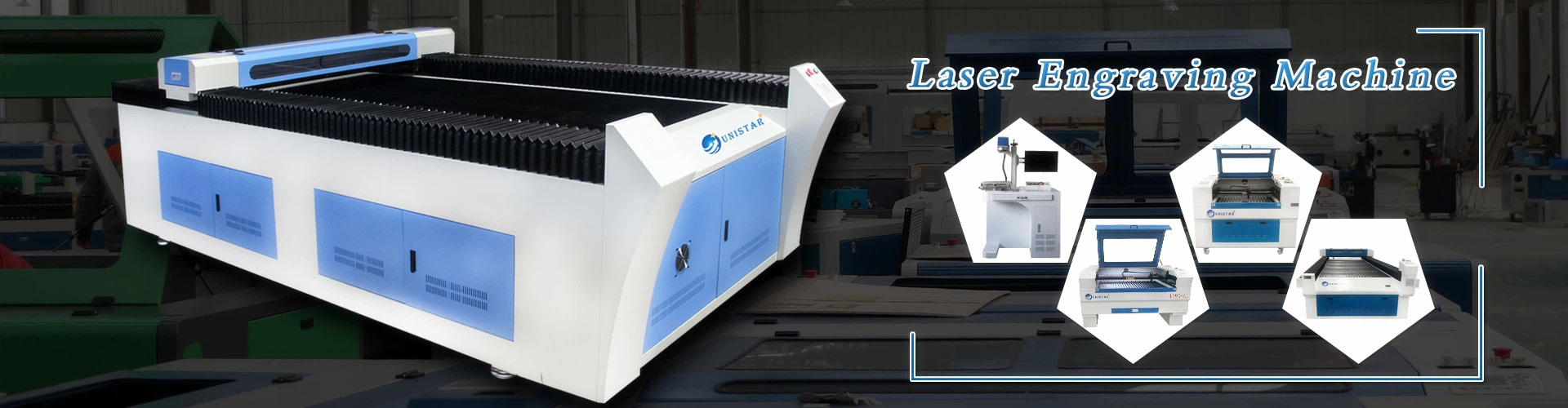
Precautions for Operating Plasma Cutting Machines
Plasma cutting machines are widely utilized in metalworking industries for their ability to quickly and effectively cut through various metals, such as steel, aluminum, and copper. However, due to the high - temperature plasma arc and potential electrical hazards involved, strict adherence to safety guidelines and proper operating procedures is crucial. Here are key precautions to take when using plasma cutting machines.
1. Pre - operation Equipment Inspection
Before powering on the plasma cutting machine, conduct a thorough inspection of all components. First, check the power supply system. Ensure that the electrical cables are in good condition, without any signs of fraying, cracking, or exposed wires. Confirm that the machine is properly grounded to prevent electrical shocks. Any electrical issues can lead to malfunctions, power surges, or even pose a significant risk to the operator's safety.
Next, examine the gas supply system. Plasma cutting typically requires gases like compressed air, nitrogen, or argon - hydrogen mixtures. Verify that the gas cylinders are securely connected, the pressure regulators are functioning correctly, and there are no gas leaks. A stable and appropriate gas supply is essential for generating a high - quality plasma arc and achieving clean cuts.
Inspect the torch and consumables, including the electrode, nozzle, and swirl ring. Worn - out or damaged consumables can affect the cutting performance, causing issues such as inconsistent cut quality, excessive dross formation, and even torch failure. Replace the consumables according to the manufacturer's recommendations and ensure they are properly installed.
Also, check the water cooling system (if applicable). Adequate cooling helps prevent the torch from overheating, which can damage the internal components and reduce the lifespan of the machine. Ensure that the coolant level is sufficient, the hoses are free from leaks, and the water pump is operating normally.
2. Workpiece Preparation and Setup
Select materials that are suitable for plasma cutting and ensure they are clean, dry, and free from any coatings or contaminants that could interfere with the cutting process. Rust, paint, or oil on the metal surface can cause poor cut quality and increase the risk of torch damage.
When positioning the workpiece on the cutting table, make sure it is firmly secured. Use clamps, magnets, or other appropriate fixtures to prevent the material from moving during cutting. A loose workpiece can lead to inaccurate cuts, tool breakage, and potential safety hazards. Additionally, consider the thickness and size of the material, and adjust the cutting parameters, such as plasma power and cutting speed, accordingly.
3. Personal Protective Equipment (PPE)
Operators must wear comprehensive personal protective equipment at all times during operation. Safety goggles or a face shield with a suitable shade rating are essential to protect the eyes from intense ultraviolet and infrared radiation emitted by the plasma arc, as well as from flying sparks and debris. The face shield should also provide protection for the face against heat and potential splashes.
Wear flame - retardant clothing, including long - sleeved shirts, pants, and aprons, to safeguard against burns from sparks and molten metal. Leather gloves are recommended to protect the hands from heat, sharp edges, and abrasions. Steel - toed safety shoes should be worn to protect the feet from falling objects and hot metal debris. In addition, use a respirator or dust mask to prevent inhalation of fumes and dust generated during the cutting process, especially when working with metals that release harmful substances when heated.
4. Operating Procedures
Strictly follow the manufacturer's operating instructions. Familiarize yourself with the control panel functions, including power settings, gas flow adjustments, and cutting speed controls. Set the parameters based on the material type, thickness, and desired cutting quality. Incorrect parameter settings can result in issues such as incomplete cuts, excessive heat - affected zones, or rapid consumable wear.
During the cutting process, maintain a safe distance from the cutting area. Do not reach into the working zone or touch the workpiece while the machine is in operation. Keep a close eye on the plasma arc and the cutting progress. If any abnormalities are observed, such as unstable arcs, excessive noise, or smoke, immediately press the emergency stop button, wait for the machine to come to a complete stop, and then investigate the cause.
Avoid cutting in confined spaces without proper ventilation. The fumes and gases generated during plasma cutting can be harmful if inhaled in large quantities. Use exhaust fans or local ventilation systems to remove the fumes from the work area.
5. Post - operation Maintenance
After each use, perform routine maintenance tasks to keep the plasma cutting machine in good working condition. First, turn off the machine, disconnect the power supply, and close the gas valves. Clean the cutting table thoroughly, removing any slag, debris, or metal remnants. Use a wire brush or chisel to remove stubborn dross, but be careful not to damage the table surface.
Inspect the torch and consumables for wear and damage. Replace any worn - out parts promptly to ensure optimal cutting performance. Check the electrical connections, gas hoses, and water cooling hoses (if applicable) for leaks or damage. Lubricate the moving parts of the machine, such as the guide rails and lead screws, according to the manufacturer's recommendations.
Regularly service the machine as per the maintenance schedule provided by the manufacturer. This may include tasks such as calibrating the power supply, checking the gas pressure regulators, and replacing filters. Proper maintenance not only extends the lifespan of the machine but also ensures consistent and reliable cutting results.
6. Emergency Response
Be familiar with the emergency stop procedures and the location of emergency stop buttons on the machine. In case of an emergency, such as a fire, electrical shock, or equipment malfunction, press the emergency stop button immediately to halt the machine's operation. Know the location of fire extinguishers, first - aid kits, and eyewash stations in the vicinity of the machine, and be trained in their proper use.
Establish an emergency communication plan so that operators can quickly contact relevant personnel, such as supervisors, maintenance staff, or emergency responders, in case of an incident. Regularly conduct emergency drills to ensure that all personnel are proficient in emergency response procedures.
In conclusion, operating plasma cutting machines requires a combination of technical knowledge, strict safety practices, and regular maintenance. By following these precautions, operators can minimize risks, achieve high - quality cuts, and ensure the long - term reliability of the equipment.