

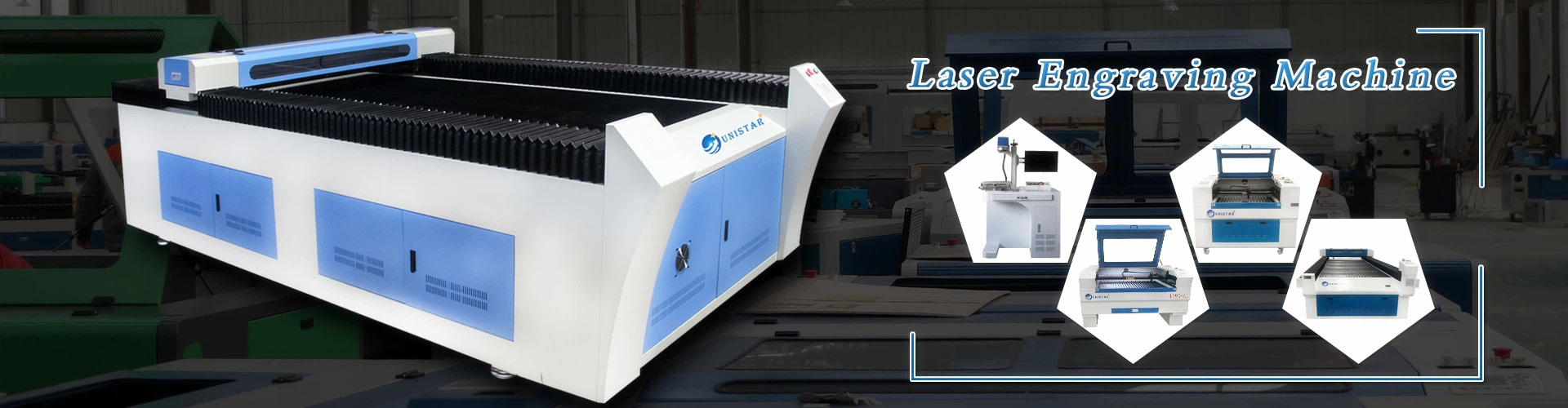
Precautions for Operating Laser Cleaning Machines
Laser cleaning machines have emerged as a highly efficient and non - abrasive solution for removing contaminants from various surfaces. However, due to the high - energy laser beams involved and potential material - specific reactions, strict safety measures and proper operating procedures are essential. Here are key precautions to take when using laser cleaning machines.
1. Pre - operation Equipment Checks
Before powering on the laser cleaning machine, conduct a thorough inspection of all components. First, examine the laser source. Ensure that it is securely installed and all electrical connections are tight. Check for any visible signs of damage, such as cracks in the casing or loose wires, which could lead to malfunctions or electrical hazards. Verify that the cooling system of the laser source is functioning properly. Adequate cooling prevents overheating, which can reduce the laser's performance and damage internal parts. Check the coolant level, ensure there are no leaks in the pipes, and confirm that fans or pumps are running smoothly.
Next, inspect the optical components, including lenses, mirrors, and fiber optic cables. Dust, smudges, or scratches on these elements can significantly degrade the quality of the laser beam, affecting the cleaning effect. Use specialized cleaning tools and materials recommended by the manufacturer to clean the optical surfaces gently if necessary. Also, check the integrity of the fiber optic cables; avoid sharp bends or kinks that may cause signal loss.
Examine the control panel and all associated sensors. Make sure that all buttons, switches, and displays are working correctly. Calibrate the sensors if required to ensure accurate operation. Additionally, check the protective enclosures and safety interlocks of the machine. These features are crucial for preventing accidental exposure to the laser beam during operation.
2. Material Compatibility Assessment
Before using the laser cleaning machine, carefully assess the compatibility of the laser with the material to be cleaned. Different materials have varying absorption rates for laser energy, and inappropriate laser - material combinations can lead to surface damage, such as melting, charring, or cracking. For example, delicate materials like thin - film coatings or soft polymers may be easily damaged by high - power lasers.
Research the material properties and refer to the manufacturer's guidelines or conduct preliminary tests on a small, inconspicuous area of the material. Understand the maximum laser power, pulse duration, and frequency that the material can withstand without damage. Also, be aware of any contaminants on the material. Some substances, when exposed to laser energy, may release toxic fumes or undergo explosive reactions, posing significant safety risks.
3. Personal Protective Equipment (PPE)
Operators must wear comprehensive personal protective equipment at all times during operation. Specialized laser - safety goggles are a must - have. These goggles should be designed to block the specific wavelength of the laser emitted by the cleaning machine, protecting the eyes from intense laser radiation, which can cause permanent vision damage.
In addition to eye protection, wear flame - retardant clothing to guard against potential fire hazards. Although laser cleaning is generally a non - contact process, sparks or hot debris may be generated, especially when removing certain types of contaminants. Heat - resistant gloves should be worn when handling workpieces immediately after cleaning, as the surface may still be hot. A face shield can also provide additional protection for the face from flying debris and stray laser reflections.
4. Operating Procedures
Strictly follow the standard operating procedures provided by the manufacturer. Familiarize yourself with the control panel functions, including laser power adjustment, pulse settings, scanning speed, and cleaning mode selection. Set the parameters according to the material type, contamination level, and desired cleaning effect. Incorrect parameter settings can either result in ineffective cleaning or damage the material surface.
During the cleaning process, maintain a safe distance from the working area. Do not touch the workpiece or the cleaning head while the machine is in operation. Continuously monitor the cleaning process for any signs of abnormalities, such as unusual noises, excessive smoke, or unexpected changes in the cleaning effect. If any issues are detected, immediately press the emergency stop button, wait for the machine to come to a complete stop, and then investigate the cause.
Ensure that the work area is well - ventilated to remove any fumes or dust generated during the cleaning process. In some cases, local exhaust systems may be required, especially when dealing with materials that release harmful substances upon laser exposure.
5. Post - operation Maintenance
After each use, perform routine maintenance tasks to keep the laser cleaning machine in optimal condition. First, turn off the machine, disconnect the power supply, and close any gas valves (if applicable). Clean the cleaning head and remove any debris or residue that may have accumulated on its surface. Use a soft brush or non - abrasive cleaning materials to avoid scratching the optical components.
Inspect the optical components, such as lenses and mirrors, for signs of damage or contamination. Replace any damaged parts according to the manufacturer's recommendations. Check the fiber optic cables for wear and ensure all connections are secure. Lubricate any moving parts of the machine as per the maintenance schedule to ensure smooth operation.
Regularly service the machine according to the manufacturer's guidelines. This may involve tasks like calibrating the laser source, checking the performance of the cooling system, and verifying the accuracy of the control system. Proper maintenance not only extends the lifespan of the machine but also ensures consistent and effective cleaning results.
6. Emergency Response
Be well - versed in emergency stop procedures and know the location of emergency stop buttons on the machine. In case of an emergency, such as a fire, equipment malfunction, or accidental laser exposure, press the emergency stop button immediately. Familiarize yourself with the location of fire extinguishers, first - aid kits, and eyewash stations in the vicinity of the machine and be trained in their proper use.
Establish an emergency communication plan so that operators can quickly contact relevant personnel, such as supervisors, maintenance staff, or emergency responders, in case of an incident. Regularly conduct emergency drills to ensure that all personnel are proficient in emergency response procedures.
In conclusion, operating laser cleaning machines requires careful attention to equipment checks, material compatibility, safety protocols, and regular maintenance. By following these precautions, operators can minimize risks, achieve efficient cleaning results, and ensure the long - term reliability of the equipment.