

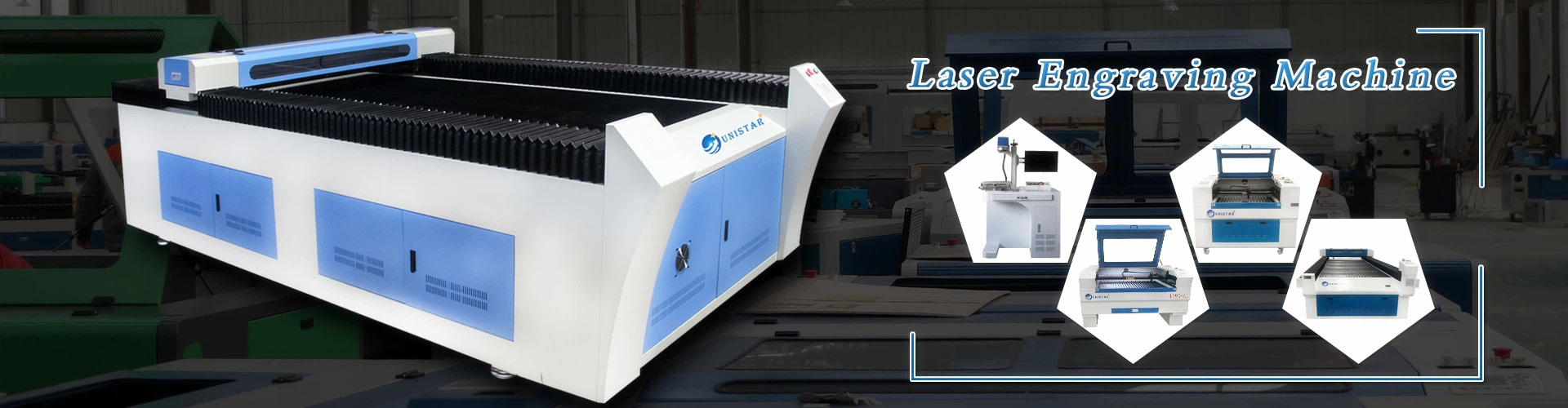
Precautions for Operating CO2 Laser Cutting Machines
CO2 laser cutting machines are widely used in industries like textiles, plastics, and acrylic processing due to their effectiveness in cutting a variety of non - metallic materials. However, to ensure safe operation, optimal performance, and extended machine lifespan, it is essential to follow specific precautions. Here are key points to keep in mind when operating CO2 laser cutting machines.
1. Pre - operation Equipment Checks
Before starting the CO2 laser cutting machine, conduct a comprehensive inspection of the equipment. First, check the laser tube. Ensure that it is properly installed, free from cracks or leaks, and filled with the appropriate gas mixture as required. A damaged laser tube can not only reduce the cutting power but also pose a safety risk. Examine the power supply system to confirm that all electrical connections are secure and there are no signs of frayed wires or loose terminals. Any electrical malfunction can lead to unexpected shutdowns, equipment damage, or even electrical shocks.
Next, inspect the optical components, including mirrors and lenses. These parts are crucial for guiding and focusing the laser beam. Dust, smudges, or scratches on the optical surfaces can significantly degrade the laser beam quality, resulting in poor cutting accuracy and reduced efficiency. Use specialized cleaning tools and materials recommended by the manufacturer to gently clean the components if necessary.
Also, check the gas supply system. For CO2 laser cutting, gases such as oxygen, nitrogen, or compressed air are often used as assist gases. Ensure that the gas cylinders are properly connected, the pressure levels are within the recommended range, and there are no gas leaks. Adequate and stable gas supply is vital for achieving clean cuts and preventing excessive heat - affected zones on the materials.
2. Material Compatibility and Setup
Only use materials that are suitable for CO2 laser cutting. Different materials have distinct physical and chemical properties that determine their compatibility with the laser. For example, materials containing chlorine, such as PVC, should not be cut with a CO2 laser as they release toxic fumes like hydrogen chloride during the cutting process. Similarly, materials with high moisture content can cause inconsistent cutting results and potential damage to the machine.
When placing the material on the cutting table, ensure it is flat, clean, and securely fixed. Use appropriate clamping devices or vacuum hold - down systems to prevent the material from shifting during the cutting process. Misaligned or unstable materials can lead to inaccurate cuts, wasted materials, and potential damage to the cutting head. Additionally, consider the thickness and size of the material, and adjust the cutting parameters accordingly.
3. Personal Protective Equipment (PPE)
Operators must wear the necessary personal protective equipment at all times during operation. Specialized laser - safety goggles designed to block the specific wavelength of the CO2 laser (usually 10.6 micrometers) are essential. Direct exposure to the laser beam can cause severe eye damage, including burns and permanent vision loss.
In addition to eye protection, wear flame - retardant clothing to safeguard against potential fire hazards. The cutting process may generate sparks and heat, which can ignite flammable materials. Heat - resistant gloves should be worn when handling hot workpieces or making adjustments near the cutting area. Moreover, use a dust mask or respirator to protect against inhalation of smoke, dust, and fumes produced during cutting, especially when working with materials that release harmful particles.
4. Operating Procedures
Strictly follow the standard operating procedures provided by the manufacturer. Familiarize yourself with the control panel functions, including laser power adjustment, cutting speed settings, and gas flow control. Set the cutting parameters according to the material type and thickness. Incorrect parameter settings, such as too high a laser power or too slow a cutting speed, can result in over - burning, excessive melting, or even fire.
During the cutting process, maintain a safe distance from the cutting area. Do not attempt to touch the moving parts of the machine or the material being cut while the machine is in operation. Continuously monitor the cutting process for any abnormalities, such as irregular cutting lines, excessive smoke, or unusual odors. If any issues are detected, immediately press the emergency stop button, wait for the machine to come to a complete halt, and then investigate the cause.
5. Post - operation Maintenance
After each use, perform routine maintenance tasks to keep the CO2 laser cutting machine in good condition. First, turn off the machine and disconnect the power supply. Clean the cutting table thoroughly, removing any debris, slag, or remnants of the cut material. Use a soft brush or vacuum cleaner to avoid scratching the table surface.
Inspect the laser tube, mirrors, and lenses for any signs of wear or damage. Replace components as needed according to the manufacturer's recommendations. Check the gas supply system for leaks and ensure that the gas cylinders are properly stored. Lubricate the mechanical parts of the machine, such as the guide rails and screws, to ensure smooth movement and prevent premature wear.
Regularly service the machine according to the maintenance schedule provided by the manufacturer. This may include tasks such as calibrating the optical system, checking the electrical connections, and replacing consumable parts. Proper maintenance not only extends the lifespan of the machine but also ensures consistent cutting quality.
6. Emergency Response
Be familiar with the emergency stop procedures and the location of emergency stop buttons on the machine. In case of an emergency, such as a fire, equipment malfunction, or personal injury, press the emergency stop button immediately to stop the machine's operation. Know the location of fire extinguishers, first - aid kits, and other safety equipment in the vicinity of the machine, and be trained in their proper use.
Establish an emergency communication plan so that operators can quickly contact relevant personnel, such as supervisors, maintenance staff, or emergency responders, in case of an incident. Regularly conduct emergency drills to ensure that all personnel are proficient in emergency response procedures.
In conclusion, operating CO2 laser cutting machines requires careful attention to safety protocols, proper equipment maintenance, and correct operation. By adhering to these precautions, operators can minimize risks, achieve high - quality cutting results, and ensure the long - term reliability of the equipment.