

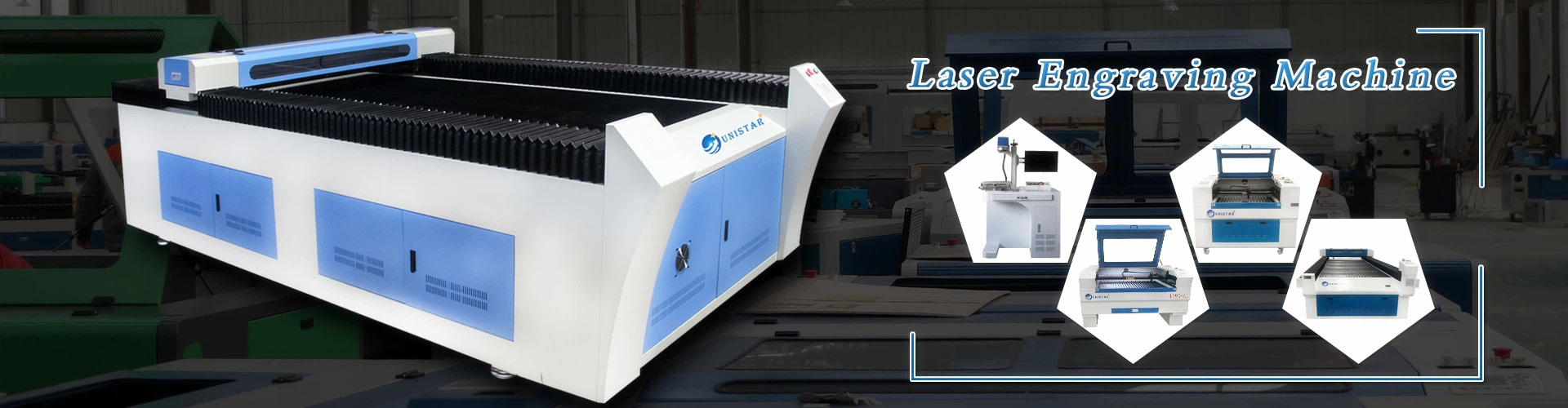
Maintenance Guide for Fiber Laser Cutting Machines
Fiber laser cutting machines have become an essential tool in various industries due to their high precision, efficiency, and reliability. To ensure the machine continues to operate at its best performance and has a long lifespan, regular and proper maintenance is crucial. Here are some key aspects of maintaining a fiber laser cutting machine.
1. Optical System Maintenance
The optical system is the core part of a fiber laser cutting machine.
Lens Cleaning: The lenses in the optical path are prone to contamination by dust, smoke, and splatter during the cutting process. Regular cleaning is necessary. Use a clean, soft lint - free cloth or a specialized lens cleaning paper. Moisten the cloth or paper slightly with a suitable lens cleaning solution (such as isopropyl alcohol). Gently wipe the lens surface in a circular motion from the center to the edge. Avoid applying excessive pressure to prevent scratching the lens.
Alignment Check: Over time, the optical components may get misaligned, which can lead to a decrease in cutting quality. Regularly check the alignment of the laser beam path. Most modern fiber laser cutting machines are equipped with alignment - checking software or tools. Follow the manufacturer's instructions to perform the alignment test. If misalignment is detected, adjust the optical components according to the machine's manual. This may involve using precision adjustment screws or other alignment mechanisms.
2. Cooling System Maintenance
The cooling system plays a vital role in maintaining the optimal operating temperature of the laser source and other heat - generating components.
Coolant Level Check: Regularly inspect the coolant level in the reservoir. The coolant level should be within the marked range. If the level is low, add the recommended coolant according to the machine's specifications. Different fiber laser cutting machines may require different types of coolants, so always use the coolant recommended by the manufacturer.
Coolant Quality Inspection: The coolant's quality can degrade over time due to contamination or chemical changes. Check the coolant for signs of discoloration, cloudiness, or the presence of debris. If the coolant appears dirty or has an abnormal smell, it should be replaced. To replace the coolant, first drain the old coolant from the system according to the manufacturer's instructions. Then, flush the cooling system with clean water several times to remove any remaining debris or old coolant. Finally, refill the system with fresh coolant.
Filter Replacement: The cooling system usually has a filter to remove impurities from the coolant. Replace the filter at regular intervals as specified by the manufacturer. A clogged filter can restrict the coolant flow, leading to poor heat dissipation and potential damage to the laser source. When replacing the filter, make sure to turn off the cooling system and relieve any pressure in the system before removing and installing the new filter.
3. Mechanical Component Maintenance
The mechanical components of the fiber laser cutting machine ensure accurate movement and positioning during the cutting process.
Guide Rails and Linear Bearings Lubrication: The guide rails and linear bearings are critical for smooth and precise movement of the cutting head. Regularly lubricate these components with the appropriate lubricant. The type of lubricant depends on the machine's design and operating conditions. Use a lubrication gun or a suitable applicator to apply the lubricant evenly along the guide rails and to the bearing surfaces. Lubrication helps reduce friction, wear, and tear, and ensures the longevity of these components.
Belt and Pulley Inspection: Check the belts and pulleys for signs of wear, looseness, or damage. Worn - out belts can cause inconsistent movement and affect the cutting accuracy. If a belt is loose, adjust its tension according to the machine's manual. Some machines have adjustable tensioners that can be used to tighten the belts. If a belt is damaged or shows signs of excessive wear, it should be replaced immediately. When replacing a belt, make sure to select the correct size and type of belt as specified by the manufacturer.
Screw and Bolt Tightening: Periodically check all the screws and bolts on the machine for tightness. Vibrations during the cutting process can cause screws and bolts to loosen over time. Use a torque wrench to tighten the screws and bolts to the recommended torque values. Loose screws and bolts can lead to unstable operation and potential damage to the machine.
4. Electrical System Maintenance
The electrical system powers the fiber laser cutting machine and controls its various functions.
Power Supply Inspection: Check the power supply unit for any signs of overheating, abnormal noises, or loose connections. Make sure the power cables are properly connected and not damaged. If there are any signs of electrical problems, such as sparks or burning smells, immediately turn off the machine and contact a qualified technician for repair.
Electrical Component Cleaning: Dust and debris can accumulate on electrical components, which may cause electrical malfunctions. Use a compressed air gun to gently blow away the dust from the electrical components, such as circuit boards, relays, and switches. Avoid using liquid cleaners on electrical components as they can cause short - circuits.
Software and Firmware Update: Keep the machine's control software and firmware up - to - date. Manufacturers often release software updates to improve performance, fix bugs, and add new features. Check the manufacturer's website regularly for available updates. Follow the provided instructions carefully to install the updates. Before installing an update, it is recommended to backup any important data stored in the machine's control system.
5. Regular Machine Inspection
In addition to the specific maintenance tasks mentioned above, it is essential to conduct a comprehensive inspection of the fiber laser cutting machine on a regular basis.
Visual Inspection: Perform a visual inspection of the entire machine, including the body, covers, and all components. Look for signs of damage, such as cracks, dents, or loose parts. Check for any leaks in the coolant system, air lines, or other fluid - carrying systems.
Function Test: Regularly perform a function test of the machine. This includes testing the laser output power, the movement of the cutting head in all axes, and the operation of the cutting table. Check if the machine can accurately cut different materials and thicknesses according to the set parameters. If there are any abnormalities during the function test, further investigate and troubleshoot the problem.
By following these maintenance guidelines, you can keep your fiber laser cutting machine in excellent condition, ensuring high - quality cutting results, long - term reliability, and maximum productivity. Remember, proper maintenance not only extends the lifespan of the machine but also reduces the risk of unexpected breakdowns and costly repairs.