

Key Subtypes of Laser Marking Machines: Fiber, UV, and CO₂ Variants
Within the widely used laser marking machine category, three subtypes stand out for their unique capabilities, catering to diverse industrial needs. Here's a detailed breakdown, including their common power ranges and expanded application scenarios:
First, fiber laser marking machines use fiber-optic diodes to generate high-energy laser beams, with common power ranging from 20W to 100W. Lower power models (20W-30W) are ideal for fine marking tasks-such as engraving tiny QR codes on smartphone chips, delicate logos on silver jewelry, or serial numbers on thin aluminum auto parts-where precision over depth is key. Medium to high power versions (50W-100W) excel at deeper marking, suitable for engraving batch codes on thick stainless steel industrial valves, or creating durable identification marks on heavy-duty machinery components in the automotive and aerospace industries. Their fast marking speed also makes them a top choice for high-volume production lines, like electronic component factories that need to mark thousands of circuit boards daily.
Second, UV laser marking machines emit ultraviolet light, with typical power between 3W and 30W, and are known for "cold marking" (minimal heat generation). Low-power models (3W-10W) are perfect for ultra-delicate materials: they can mark micro-sized serial numbers on transparent glass syringes (critical for medical traceability), etch fine anti-counterfeiting patterns on cosmetic bottle caps (without damaging the plastic surface), or add subtle logos to thin PCB boards (avoiding heat-related component damage). Medium-power options (15W-30W) handle slightly tougher sensitive tasks, such as marking durable labels on flexible OLED phone screens or engraving detailed designs on high-end glassware-all while maintaining the material's integrity. They're indispensable in medical device manufacturing, luxury cosmetics, and precision electronics industries.
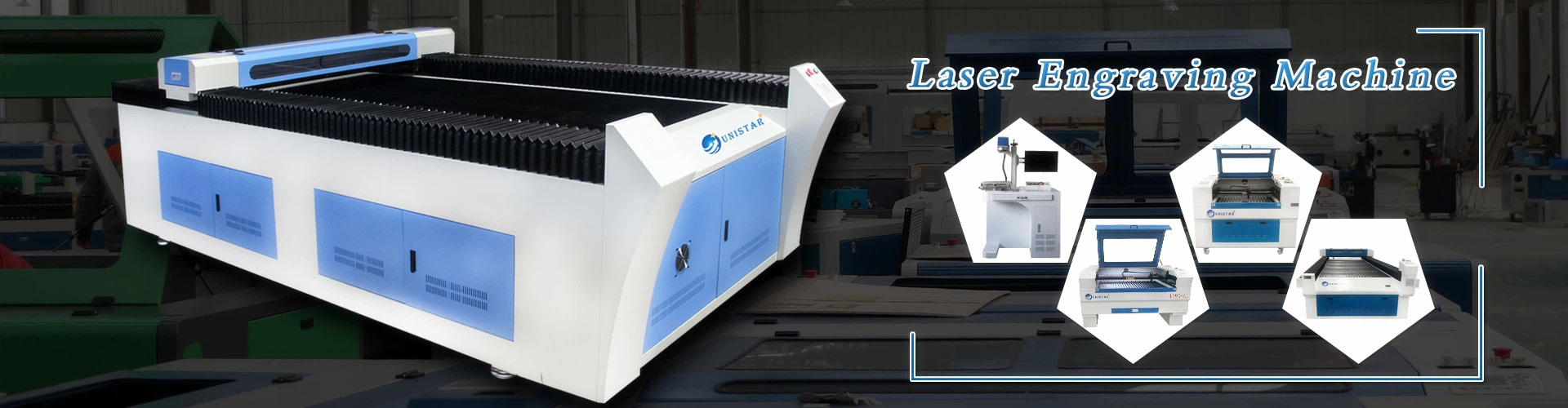
Third, CO₂ laser marking machines utilize carbon dioxide gas to produce laser beams, with common power spanning 30W to 150W, and are tailored for non-metallic materials. Low-power models (30W-60W) are widely used in packaging: they mark clear expiry dates and batch codes on cardboard cereal boxes, print recyclable symbols on plastic beverage bottles, or engrave product names on paper gift boxes-all with fast, smudge-free results. Medium-power versions (80W-120W) excel in crafts and textiles: they carve intricate patterns on wooden photo frames, etch personalized messages on leather wallets, or cut and mark custom logos on cotton tote bags. High-power models (120W-150W) handle thicker non-metals, such as engraving deep designs on acrylic signage for storefronts or marking large-scale labels on thick foam insulation materials in the construction industry.
Each subtype leverages distinct laser properties and power ranges, making laser marking technology versatile across metals, sensitive materials, and non-metals-ensuring reliable, efficient product identification tailored to specific industrial demands.