

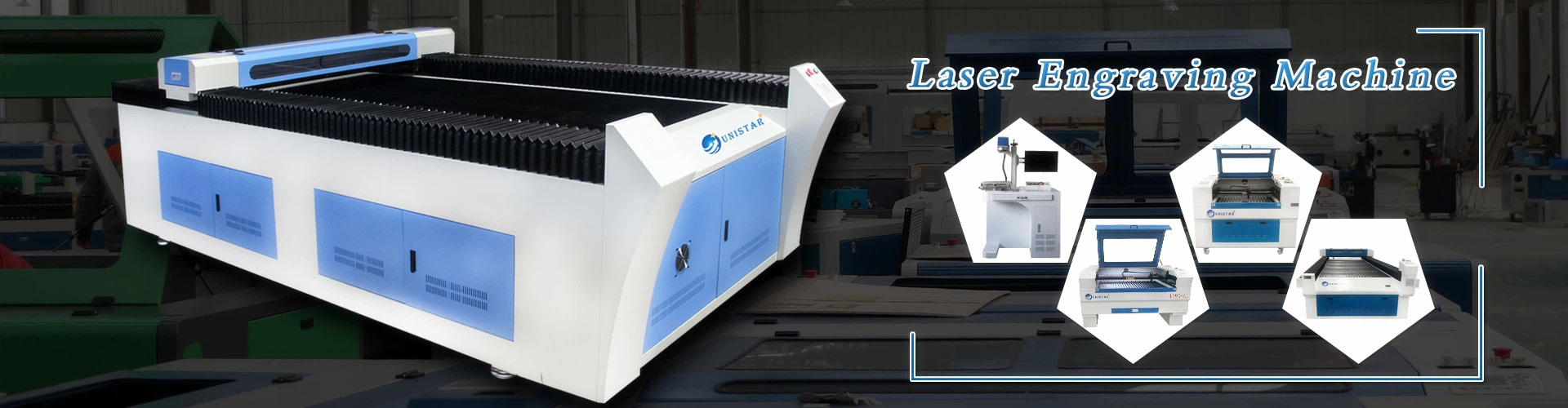
Key Precautions for CO₂ Laser Cutter Installation
Installing a CO₂ laser cutter requires careful planning and adherence to specific guidelines to ensure safety, optimal performance, and longevity of the equipment. Unlike conventional machinery, laser cutters involve high-power laser systems, complex electrical components, and specialized ventilation needs. Below are essential precautions to follow during the installation process.
Site Requirements and Environmental Conditions
The installation site must meet strict environmental standards to guarantee safe and efficient operation. First, ensure the area is well-ventilated to handle the fumes generated during cutting, especially when processing materials like wood, acrylic, or plastic. Install a dedicated exhaust system with sufficient airflow capacity-preferably venting directly outside the building-to prevent the accumulation of toxic or flammable gases. Local exhaust hoods positioned near the cutting bed are highly recommended for capturing fumes at the source.
Temperature and humidity control are equally critical. Maintain a consistent ambient temperature between 15–30°C (59–86°F) and relative humidity below 60% to protect sensitive optical components and electronic systems from condensation or overheating. Avoid installing the laser cutter near direct sunlight, air vents, or areas with frequent temperature fluctuations. Additionally, the floor must be flat, level, and capable of supporting the machine's weight, as uneven surfaces can cause misalignment and affect cutting precision over time.
Mechanical Setup and Alignment
Proper mechanical installation lays the foundation for accurate cutting performance. When positioning the laser cutter, use appropriate lifting equipment (such as forklifts or hydraulic jacks) as specified in the manufacturer's manual. Never attempt to move the machine manually, as its heavy components-including the laser tube, gantry, and bed-can cause injury or structural damage if mishandled.
Once in place, verify the machine's level using a precision spirit level or laser level across multiple points on the bed and frame. Adjust the leveling feet gradually to eliminate any tilting, as even minor misalignment can lead to uneven cutting or premature wear on linear guides and bearings. Inspect all mechanical connections, including bolts, belts, and pulleys, ensuring they are tightened to the manufacturer's recommended torque specifications. Pay special attention to the laser head assembly and linear motion systems, as loose components can compromise cutting accuracy.
Electrical Connections and Power Supply
Electrical safety is paramount when installing a CO₂ laser cutter. The machine must be connected to a dedicated power supply that matches its voltage, current, and frequency requirements (typically 220V/380V AC, single-phase or three-phase). Never share the circuit with other high-power equipment, as voltage fluctuations can damage the laser power supply, control board, or servo motors.
Install a residual current device (RCD) or ground fault circuit interrupter (GFCI) in the power line to protect against electrical shocks. Proper grounding is non-negotiable: connect the machine's ground terminal to a reliable earth ground using a thick copper cable (minimum 4mm²) to prevent static buildup and electromagnetic interference. Inspect all power cables for damage, ensure connectors are securely fastened, and route cables away from moving parts to avoid abrasion or entanglement.
Laser Safety and Regulatory Compliance
CO₂ lasers operate at high power levels (typically 30W to 400W or more), posing significant safety risks if mishandled. Strictly follow laser safety protocols during installation, including wearing appropriate personal protective equipment (PPE) such as laser safety glasses rated for the machine's wavelength (10.6μm for CO₂ lasers). Only trained personnel should be present during setup, and access to the installation area should be restricted with warning signs.
Ensure the laser cutter is installed in a enclosed space or fitted with safety interlocks on access doors, which automatically shut down the laser when opened. Verify that the laser tube is properly secured in its mount with shock-absorbing pads to prevent damage during operation. Check the alignment of the laser beam path using the manufacturer's guidelines-misaligned beams can reflect off surfaces, causing fires or equipment damage. Familiarize yourself with local regulations regarding laser safety classifications and ensure compliance with standards such as ANSI Z136 or CE marking requirements.
Calibration, Testing, and Documentation
After mechanical and electrical setup, perform thorough calibration and testing. Power on the machine gradually, checking for abnormal noises, vibrations, or error messages on the control panel. Calibrate the laser focus distance, cutting speed, and power settings according to the material types you will process, using test pieces to verify accuracy. Test emergency stop buttons, limit switches, and safety sensors to ensure they function correctly, immediately halting operation when triggered.
Document every step of the installation process, including power supply specifications, leveling measurements, calibration results, and safety checks. Keep the manufacturer's manual, wiring diagrams, and safety certificates in a accessible location for future reference. Train operators on proper startup procedures, maintenance schedules, and emergency protocols before full-scale operation begins.
By adhering to these precautions, you can minimize risks, ensure regulatory compliance, and maximize the performance and lifespan of your CO₂ laser cutter. Always consult the manufacturer's technical support team if you encounter uncertainties during installation-professional guidance is invaluable for avoiding costly mistakes or safety hazards.