

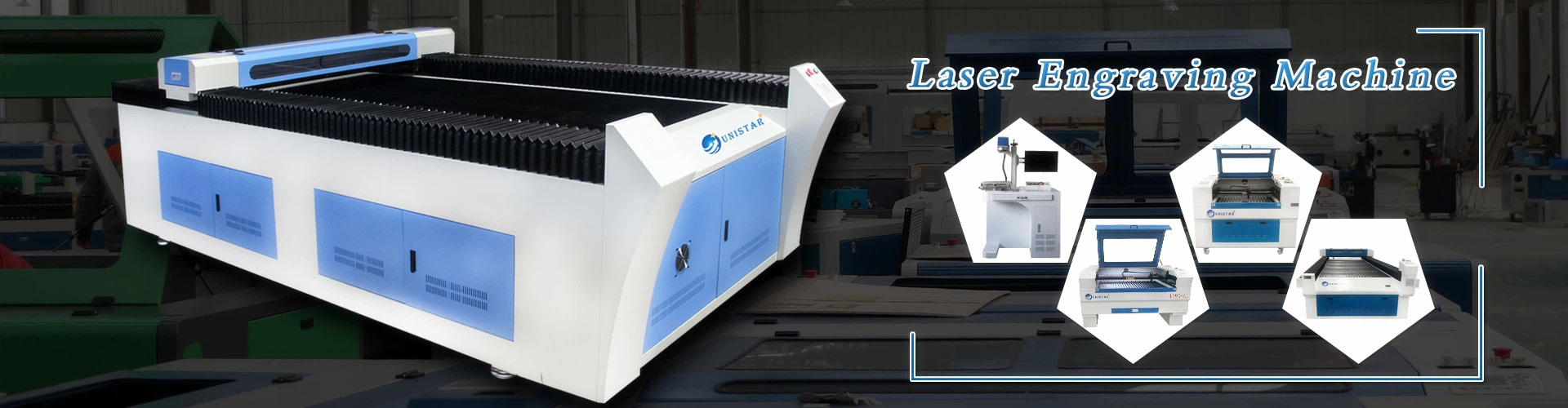
A fiber laser cutting machine is a precision tool that, with proper maintenance, can offer long - term, high - quality performance. Here are some essential maintenance tips to ensure your machine runs smoothly and efficiently.
Daily Maintenance
Cleaning
Machine Body: After each use, it is crucial to clean the entire machine thoroughly. Empty all slag drawers and bins. Use lint - free cloths or microfiber towels to remove debris and scraps from the work surface. This not only keeps the machine looking good but also prevents small particles from interfering with the cutting process.
Torch Body and Nozzle: The torch body and nozzle are key components in the cutting process. Clean them regularly to remove any residue that may accumulate during cutting. A dirty nozzle can affect the gas flow and cutting quality.
Cables and Protective Window: Wipe down cables to prevent dust and debris from causing potential electrical issues. The protective window should also be kept clean as a dirty window can reduce the quality of the laser beam.
Component Checks
Coolant Levels: Regularly check the coolant levels in the machine's cooling system. Insufficient coolant can lead to overheating, which may severely damage the equipment. Additionally, ensure that the filters are clean and the fans are working correctly to maintain proper cooling.
Moving Components: Apply light oil to the guide rails and other moving parts. This lubrication ensures smooth and even movements, reduces friction, and prevents the buildup of debris that could impede the movement of these components.
Debris Inspection: Inspect the machine regularly for any debris or obstructions, especially in areas like the slat, drawers, or tracks. Foreign materials can cause jams or affect the precision of the cutting process. Clear away any such materials immediately.
Grounding: Ensure that the machine is properly grounded at all times. Static electricity buildup can be harmful to the sensitive electronics in the fiber laser cutting machine. A good grounding system helps to dissipate any static charge, protecting the equipment from potential damage.
Consumable Replacement
Lens and Other Parts: The lens is a common consumable part in a fiber laser cutting machine. Over time, it may become worn or damaged,
affecting the quality of the laser beam and the cutting results. Replace the lens according to the manufacturer's recommendations. Also, check other consumable parts such as nozzles for signs of wear and replace them as needed.
Periodic Maintenance (Every 3 Months)
Voltage Stabilizer Maintenance
The voltage stabilizer plays a crucial role in ensuring a stable power supply to the fiber laser cutting machine. Fluctuations in voltage can cause damage to the machine's components. Every three months, check the voltage stabilizer for any signs of malfunction, such as abnormal noises or inconsistent voltage output. Clean the stabilizer if there is any dust accumulation, as dust can sometimes interfere with its proper functioning.
Chiller and Belt Drive System Check
Chiller: The chiller is an essential part of the cooling system for the fiber laser. Check its performance regularly. Ensure that the refrigerant levels are correct and that there are no leaks in the system. Clean the condenser coils to maintain efficient heat transfer. If the chiller is not working properly, the laser may overheat, leading to reduced performance or even equipment failure.
Belt Drive System: Inspect the belt drive system for signs of wear, such as fraying or stretching of the belts. Tighten or replace the belts as necessary. Check the alignment of the pulleys as misaligned pulleys can cause uneven wear on the belts and affect the accuracy of the machine's movements.
Optical Component Maintenance
Lens Cleaning
Regular Cleaning: The lenses in the fiber laser cutting machine, including the focusing lens and the protective lens, need to be kept clean. Before starting the machine each day, check the lenses for any dust, dirt, or smudges. Use a lint - free cloth or a special lens - cleaning tissue dampened with anhydrous industrial alcohol or acetone to gently clean the lenses. Avoid using rough materials or touching the lenses with bare hands, as this can scratch or contaminate the delicate surfaces.
Inspection for Damage: Regularly inspect the lenses for any signs of damage, such as cracks or chips. A damaged lens can distort the laser beam and result in poor cutting quality. If a lens is damaged, it should be replaced immediately.
Laser Path Alignment
Daily Check: Each day, before starting work, check that the laser beam is properly aligned and is exiting the nozzle at the correct position. If the laser path is misaligned, it can cause uneven cutting, poor edge quality, or even damage to the nozzle or other components. Some machines may have an alignment tool or procedure that can be used to quickly check and adjust the laser path if necessary.
Mechanical Component Maintenance
Rail and Linear Guide Maintenance
Regular Cleaning and Lubrication: The rails and linear guides are responsible for the smooth movement of the cutting head. Weekly, clean these components to remove any dust, debris, or metal shavings that may have accumulated. Use a vacuum cleaner or a soft brush to carefully clean the grooves and surfaces. After cleaning, apply an appropriate lubricant to ensure smooth operation. This helps to reduce friction, extend the lifespan of the components, and maintain the accuracy of the cutting process.
Alignment and Wear Check: Every six months, check the alignment of the rails and linear guides. Measure the straightness of the rails and the perpendicularity of the machine's axes. If there is any deviation from the manufacturer's specifications, it may be necessary to adjust the alignment or replace worn components. Worn rails or guides can lead to inaccurate cutting and increased vibration during operation.
Screw and Fastener Tightening
Periodic Inspection: Over time, the screws and fasteners in the fiber laser cutting machine may loosen due to vibration during operation. Regularly inspect all the screws, nuts, and bolts, especially those in the moving parts and critical components. Tighten any loose fasteners to ensure the stability and proper functioning of the machine. A loose screw in the cutting head, for example, could cause the head to move erratically, resulting in poor cutting quality.
Environmental Considerations
Temperature and Humidity Control
Ideal Conditions: Fiber laser cutting machines perform best in a controlled environment. The recommended temperature range is typically between 18 - 30 degrees Celsius. High temperatures can cause the machine's components to expand, leading to misalignments and potential overheating of the laser source. Low temperatures, on the other hand, can affect the performance of the cooling system and some of the electronic components. Similarly, the humidity level should be kept within a reasonable range, usually between 30 - 70% relative humidity. Excessive humidity can cause corrosion of metal parts and affect the optical performance of the lenses.
Monitoring and Adjusting: Use a thermometer and hygrometer to monitor the temperature and humidity in the machine's working area. If the conditions are outside the recommended range, consider using air conditioning, dehumidifiers, or heaters to adjust the environment.
Dust and Particle Control
Clean Work Area: Keep the area around the fiber laser cutting machine clean and free of dust and debris. Install air filters or dust collectors to remove airborne particles that could potentially enter the machine and cause problems. Regularly clean the work area floor and any surfaces near the machine. A clean environment not only helps to maintain the performance of the machine but also reduces the risk of fire, as some of the dust generated during cutting can be flammable.
Operator Training and Safety
Proper Training
Knowledge of Maintenance: Operators should be trained not only in how to use the fiber laser cutting machine but also in basic maintenance procedures. They should understand the importance of daily and periodic maintenance tasks and be able to perform simple checks and cleaning operations. This includes knowing how to check coolant levels, clean lenses, and identify any signs of abnormal machine behavior.
Safety Precautions: Training should also cover safety aspects related to maintenance. Operators must be aware of the potential hazards, such as laser radiation, electrical shock, and moving parts. They should know how to safely turn off the machine, isolate power sources, and use appropriate personal protective equipment when performing maintenance tasks.
Safety First
Lockout/Tagout Procedures: Before performing any maintenance on the fiber laser cutting machine, especially when working on electrical or moving components, follow lockout/tagout procedures. This involves turning off the power, locking the electrical panel, and placing a tag to indicate that maintenance is in progress. This ensures that the machine cannot be accidentally started while someone is working on it.
Personal Protective Equipment: When handling components such as lenses or when working near the laser beam path, operators should wear appropriate personal protective equipment, such as safety glasses with laser - protection coatings. When cleaning the machine or working with chemicals for maintenance, gloves should be worn to protect against skin contact.
By following these maintenance guidelines, you can significantly extend the lifespan of your fiber laser cutting machine, improve its cutting performance, and reduce the risk of unexpected breakdowns. Regular maintenance is an investment that pays off in terms of increased productivity and cost - effectiveness in the long run.