

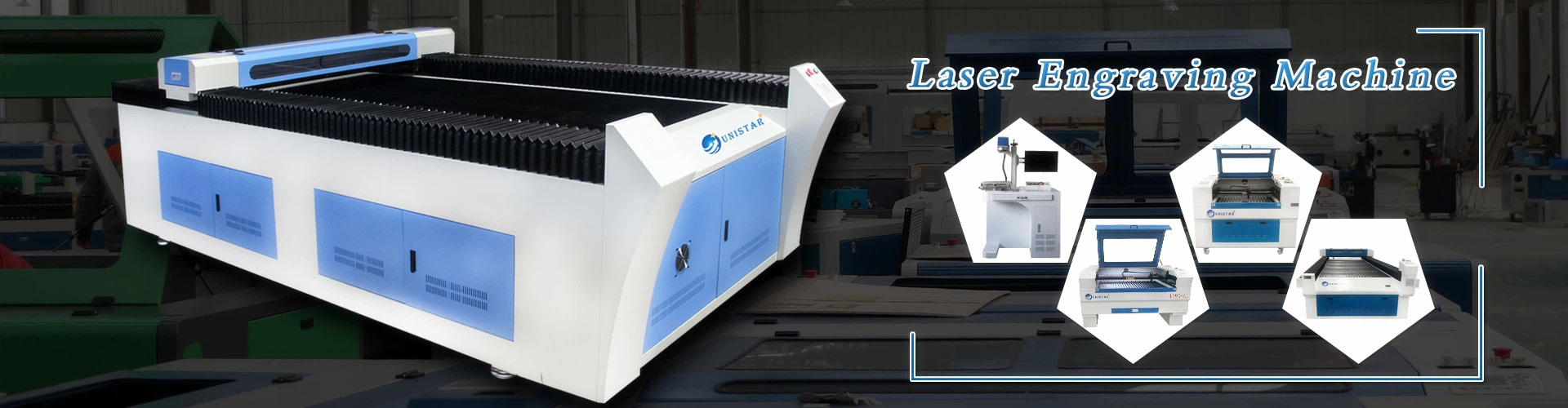
How to Choose the Right CNC Router Machine for Your Needs
In the world of manufacturing, woodworking, and prototyping, a CNC router machine has become an indispensable tool. Whether you are a professional craftsman, a small business owner, or a hobbyist looking to take your projects to the next level, choosing the right CNC router can significantly impact the quality and efficiency of your work. Here are some essential factors to consider when making this important decision.
1. Determine Your Budget
CNC router machines come in a wide price range, from relatively affordable models for home use to high - end industrial - grade equipment that can cost tens of thousands of dollars. It's crucial to establish a clear budget from the start. Consider not only the initial purchase price but also the long - term costs, such as maintenance, software upgrades, and replacement parts. If you're on a tight budget, entry - level machines with basic functionality can still be a great option for simple projects. However, if you plan to use the machine for commercial purposes or more complex tasks, investing in a higher - quality, more expensive model may be a more cost - effective choice in the long run.
2. Define Your Applications
The intended use of the CNC router is a fundamental consideration. Different machines are optimized for various applications. For example:
Woodworking: If you primarily work with wood, look for a machine that has sufficient power to cut through different types of wood, including hardwoods. A router with a spindle speed of 18,000 - 24,000 RPM is often suitable for woodworking tasks. Additionally, consider the size of the worktable. If you frequently work on large wooden panels, you'll need a machine with a spacious work area.
Metalworking: CNC routers for metalworking require more power and rigidity to handle the hardness of metals. Look for machines equipped with high - torque spindles and robust frames. Water - cooled spindles are often preferred for metalworking as they can better dissipate heat generated during the cutting process.
Plastic and Foam Cutting: These materials are generally softer, so a machine with a lower spindle speed and a more delicate cutting mechanism may be sufficient. However, you still need to ensure that the machine can accurately cut the specific types of plastic or foam you work with.
3. Evaluate Machine Specifications
Working Area: The size of the working area, also known as the work envelope, determines the maximum size of the material you can process. Make sure the machine's work area is large enough to accommodate your typical project sizes. If you plan to work on oversized materials, some machines offer the option to expand the work area or can be customized.
Spindle Power and Speed: As mentioned earlier, spindle power and speed are crucial for different applications. Higher - power spindles can handle tougher materials, while variable - speed spindles allow you to adjust the cutting speed according to the material and the type of cut. A spindle with at least 1.5 - 3 horsepower is common for general - purpose use.
Cutting Accuracy: Precision is essential in CNC routing. Look for machines that offer high - precision linear guides and ball screws. A machine with an accuracy of ±0.05mm or better is suitable for most applications. However, if you're working on projects that require extremely high precision, such as jewelry making or micro - machining, you may need to invest in a machine with even higher accuracy capabilities.
Feed Rate: The feed rate is the speed at which the cutting tool moves across the material. A higher feed rate can increase productivity, but it also needs to be balanced with the spindle speed and the material being cut. Machines with adjustable feed rates are more versatile as they allow you to optimize the cutting process for different materials and project requirements.
4. Consider the Control System
The control system is the brain of the CNC router machine. There are several types of control systems available, each with its own advantages and disadvantages:
Windows - based Control Systems: These are user - friendly and often come with intuitive software interfaces. They are compatible with a wide range of design and CAM (Computer - Aided Manufacturing) software. However, they may be more vulnerable to viruses and require regular software updates.
Linux - based Control Systems: Linux - based control systems are known for their stability and reliability. They are generally less prone to malware and offer good performance. Some manufacturers develop their own custom - made Linux - based control systems tailored to the specific needs of their CNC routers.
Motion Control Cards: Motion control cards are installed in a computer and interface with the CNC router's motors and other components. They offer a high degree of customization but require more technical knowledge to set up and operate.
5. Check the Build Quality and Brand Reputation
A well - built CNC router machine will last longer and perform more consistently. Look for machines made from high - quality materials, such as heavy - duty steel frames and precision - machined components. Research the brand's reputation in the market. Read customer reviews, testimonials, and industry reports to get an idea of the machine's reliability, after - sales support, and overall quality. A reputable brand is more likely to provide good customer service, technical support, and a warranty for their products.
6. Software Compatibility
The CNC router machine needs to work seamlessly with the design and CAM software you use. Ensure that the machine is compatible with popular software programs such as AutoCAD, Fusion 360, or VCarve Pro. Some machines come with their own proprietary software, but it's beneficial if they can also integrate with other industry - standard software to give you more flexibility in design and programming.
7. After - Sales Support and Training
Finally, consider the after - sales support and training offered by the manufacturer or supplier. A reliable company should provide technical support, spare parts availability, and training resources to help you get the most out of your CNC router machine. Training can be especially important if you're new to CNC routing, as it will help you learn how to operate the machine safely and efficiently.
In conclusion, choosing the right CNC router machine requires careful consideration of your budget, applications, machine specifications, control system, build quality, software compatibility, and after - sales support. By taking the time to evaluate these factors, you can select a machine that meets your specific needs and helps you achieve your manufacturing and creative goals.