A Guide To Buy Your First CNC Router In 2025
What Is A CNC Router?
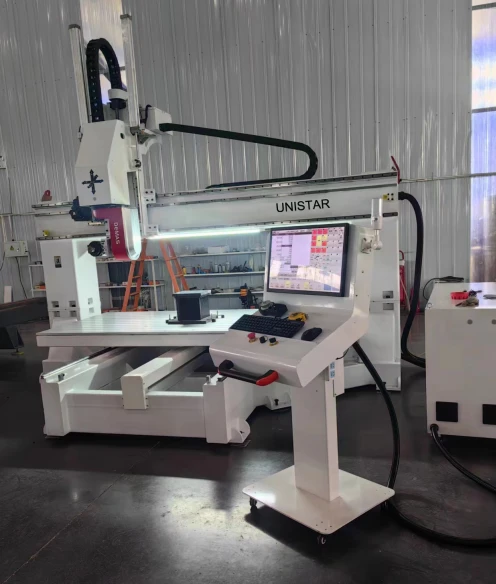
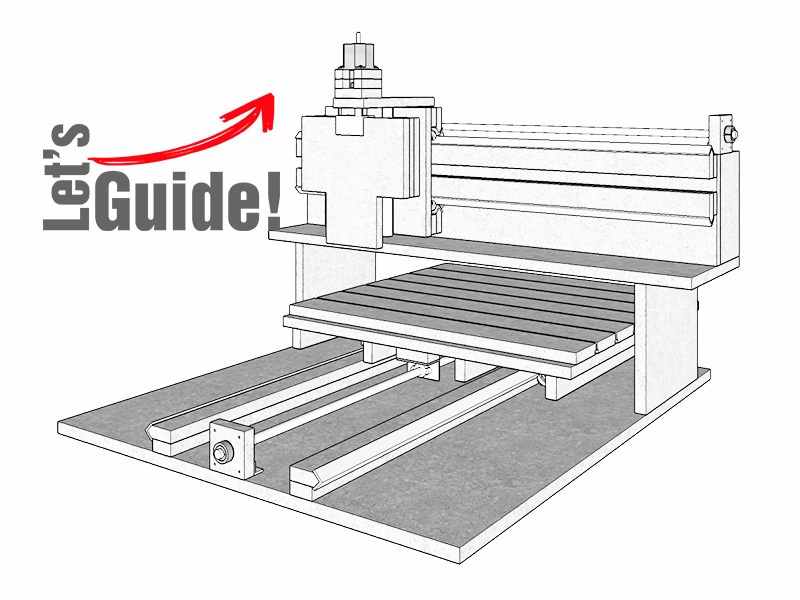
CNC router is a type of automatic machine tool kit coming with a computer numerical controller for carving, engraving, routing, cutting, milling, drilling and grooving different materials, such as wood, foam, stone, plastic, acrylic, glass, ACM, copper, brass, aluminum, PVC, MDF and plywood. A computer-controlled router machine works with at least three axes, X, Y, and Z, to create precise and complex shapes and contours, the X-axis moves horizontally, the Y-axis moves vertically, the Z-axis is the axis perpendicular to the other two axes, and these axes form a gantry structure (the X-axis is designed as a bridge), so you could call it a gantry CNC routers. In addition, some machine tool kits come with A, B, and C axes that rotate around the X, Y, and Z axes, which is what we refer to as 4-axis or 5-axis.
What Materials Can Be Used On A CNC Router?
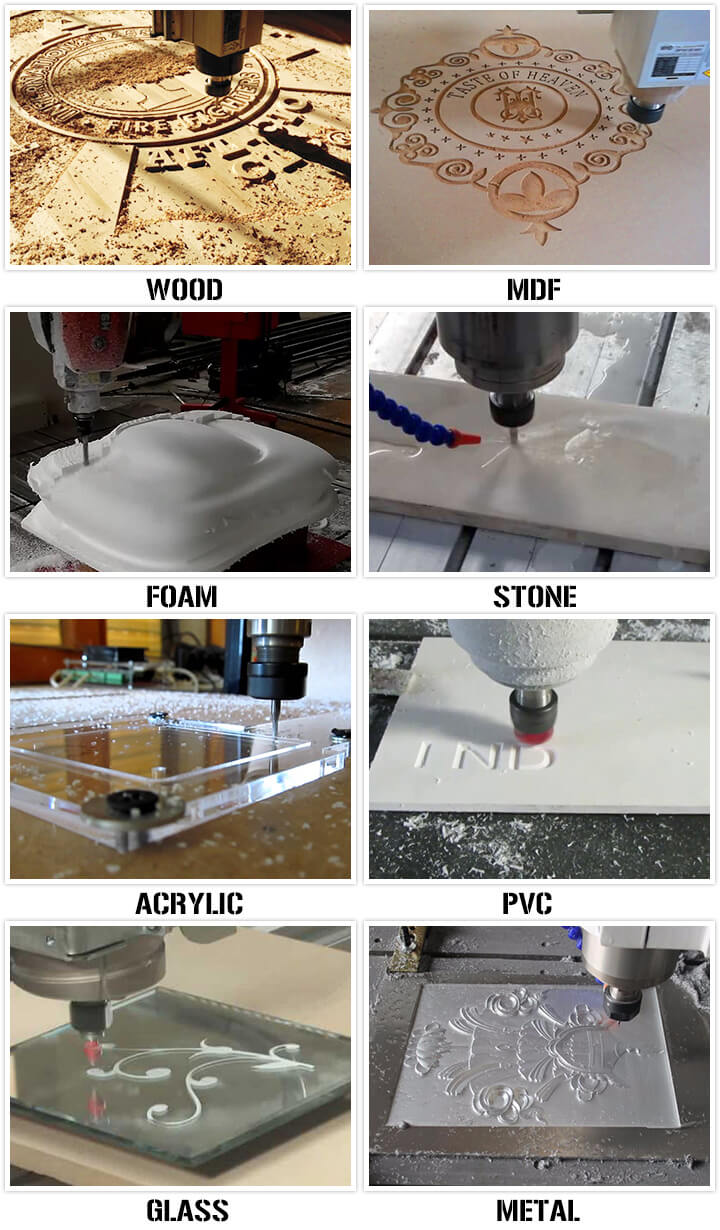
CNC routers have the ability to cut and mill a variety of popular materials with different bits and tools, from soft wood to hard aluminum, it can handle almost everything, including:
Wood.
Foam.
MDF.
Plastics.
Acrylic.
Stone.
Copper.
Brass.
Aluminum.
Glass.
ACM.
PVC.
What Can A CNC Router Do?
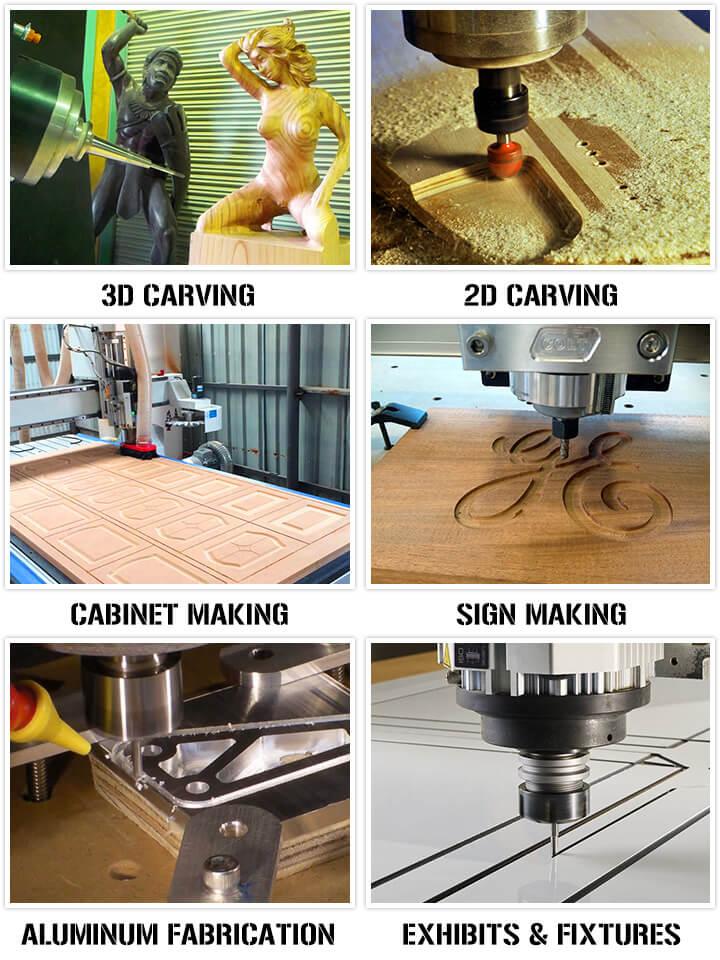
A CNC router is used in all walks of life, and you can find it in every corner of life, whether at home, in the office or in the workshop. Let's take a look at its usage possibilities.
2D Carving.
3D Carving.
Woodworking.
Aluminum Fabrication.
Acrylic Fabrication.
Exhibits and Fixtures.
Architectural Millwork.
Cabinet Making.
Sign Making.
Door Making.
Furniture Making.
Mold Making.
Decorations.
Musical Instruments.
Aerospace.
How Does A CNC Router Machine Work?
Based on the introduction mentioned before, an automatic router machine is controlled by a computer. All necessary data, in form of so-called G-codes, are assembled into a CNC program. The G-codes consist of a "G" followed by a number and type of milling work instruction. Since these codes are standardized, they may be based on the software used in almost all computer-controlled machines. When all data has been inserted and the program is ready to play, the machine can start its work. Manufacturers have added their own codes to the ISO G-codes. Therefore, various post-processors exist to generate ultimately "matching" programs from CAM programs for all different machines.
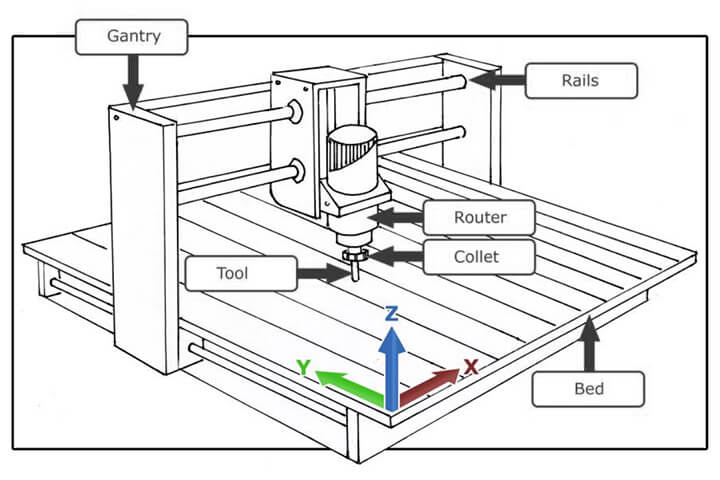
By a rotation of the respective tool, or a spindle adapted to the material, opposite the clamped workpiece, a cutting movement is produced, which is necessary for the desired chipping. This has already been determined in the records based on the G-codes. The movement of the router bit around the workpiece, ensures the predetermined shape. This can be done, depending on the design of the router, by displacement of the workpiece on a movable table. By using all axes, almost all workpiece geometries are possible such as:
3D models for architecture and model construction.
3D freeform surfaces.
Rotosymmetrical workpieces.
Lettering in 2D or 3D.
Engravings in 2D and 3D.
Threads.
Grooves.
How Much Does A CNC Router Cost?
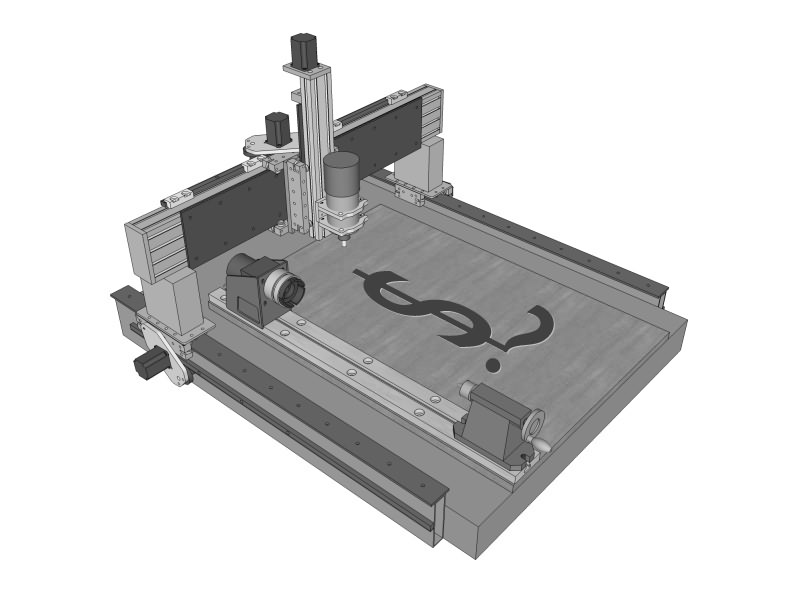
The CNC router cost is closely related with its configuration. Although the appearance sometimes you feel you see Is almost the same, the realization of the function is the same of (cutting, routing, milling, hollowing, relief carving and so on), but according to the different configurations, its price, accuracy, speed, and service life will be different.
A small CNC router kit for hobbyists starts at $2,500.00 and can go up to $5,000.00;
A standard CNC routing table is priced from $3,000.00 to $10,000.00;
An ATC CNC machine with automatic tool changer ranges from $16,800.00 to $25,800.00;
A high-end professional 5 axis CNC machine costs as high as $180,000.00;
A smart CNC machine can cost you anywhere from $8,000.00 to $60,000.00.
Additional Costs And Fees
In addition to the machine itself, you'll need to purchase a computer-aided design (CAD) software package in order to create the designs. Those usually run anywhere from $2,000 to $15,000.
Training usually costs anywhere from $200 to $500 per day. Depending on the knowledge level of your staff, the process could take a few hours or several days. Installation also tends to run $200 to $500 per day.
Shipping starts at several hundred dollars and can cost up to $2,000.
Some dealers offer packages that bundle the cost of the machine, training, shipping, and installation. So be sure to ask if a package like that is available before deciding on your purchase.
How To Choose A CNC Router Table?
Table Types
The common types of CNC router tables include profile tables, vacuum tables, and adsorption block tables. A profile table is also called fixture table. This kind of table is to directly press the workpiece with the pressing plate screw, which is suitable for cutting, hollowing and other processes, because as long as the air leaks, the vacuum adsorption cannot be absorbed. When to buy the profile table, customers can also choose the model that suits them based on the above two items when they buy the CNC machine. However, this is not entirely the case. If you use a tool with a relatively small diameter (such as a tool below 4mm) to cut, because the gap is small, some can also be vacuum-adsorbed on the table.
The vacuum table is to put a density board directly on the table after the sealing tape is plugged, and the vacuum pump can be turned on to suck the workpiece. This table saves fixed time and is especially suitable for mass production in the wood door industry. Sometimes it is necessary to put a thin MDF board first. It is formed by wood fiber and glue under high pressure. There are ducts or gaps between the wood fiber itself and the wood fiber. Therefore, MDF board still has a certain of breathability. The purpose of placing the MDF board on the vacuum suction table is to prevent the milling cutter from hurting the work table. The pressure on the part close to the density board is much lower than the atmospheric pressure on the other side, forming the so-called negative pressure. Just like two pieces of glass together, it is not easy to separate the same principle. Once the seal is not tight, no negative pressure can be generated, that is, the pressure on both sides of the workpiece plate is the same, and it is easy to move.
Table Sizes
The mostly used CNC router table sizes include 2' x 2', 2' x 3', 2' x 4', 4' x 6', 4' x 8', 5' x 10', and 6' x 12'.
How To Choose A CNC Router Spindle?
The spindle is one of the most important components of a CNC router machine, which typically comes with a high-performance spindle to play its role. The quality of the spindle directly affects the processing speed and accuracy, so how to choose the right spindle?
1. The standard for judging whether the spindle is of high quality.
1.1. Does the spindle motor use high-precision bearings? If high-precision bearings are not used, the performance is that the spindle motor will overheat after long-term high-speed rotation, which will affect the service life of the spindle motor.
1.2. Whether the sound is uniform and harmonious when rotating at different speeds, especially at high speeds.
1.3. Whether the spindle is under force in the radial direction. The main reference is whether it is possible to cut harder materials at high speed. Some spindles can only cut harder materials at very low speeds, otherwise the spindle performance will be severely lost, which will affect the spindle accuracy after a period of time, or even malfunction.
1.4. If you want to pursue high processing efficiency, the processing speed must be fast, while the amount of knife is large, such as processing solid wood materials, you need a spindle motor with a power of 2.2KW or more.
1.5. The standard configuration of the spindle of the CNC machine has different configurations according to the specifications of the equipment.
2. Choose the right spindle according to different applications.
2.1. The object cut by the small CNC machine is a relatively soft material, so the spindle power can be 1.5kw - 3.0kw. If you choose this way, you can achieve the purpose of routing and save costs.
2.2. The power of the spindle motor of the CNC wood router can be selected according to the hardness of the wood to be processed, generally around 2.2kw - 4.5kw, this combination is also the most reasonable.
2.3. The spindle power of the stone CNC machine is relatively higher, generally around 4.5kw - 7.5kw, the most commonly used is 5.5kw spindle motor.
2.4. The spindle power of the foam CNC cutter should also be selected according to the hardness of the foam to be processed. The general power of 1.5kw - 2.2kw can meet customer needs.
2.5. Due to the relatively large hardness of the metal CNC machine, the power of the spindle motor is generally 5.5kw - 9kw.
Too much power of the spindle motor not only wastes electrical energy, but also increases the purchase cost. If the power is too small, the routing power demand will not be available. Therefore, it is very important to choose a suitable spindle motor power.
3. The relationship between the spindle speed and the cutting materials.
The greater the hardness of the routing material, the lower the rotation speed of the spindle. This is actually well understood. Materials with high hardness need to be grinded slowly. If the rotation speed is too fast, the tool may be damaged. The higher the viscosity of the routing material, the higher the speed of the spindle used. This is mainly for some soft metals or man-made materials.
The diameter of the router bit is also a very important factor in determining the spindle speed. The practical tool diameter is related to the processing material and processing line. The larger the diameter of the tool, the slower the spindle speed will be. The determination of the spindle speed should be based on the use of the spindle motor. When the spindle speed decreases, the output power of the motor is also reduced. If the output power is low to a certain level, it will affect the processing, which will adversely affect the tool life and the workpiece. Therefore, when determining the spindle speed, pay attention to ensuring that the spindle motor has a certain output power.
What Are The Different Types Of CNC Routers?
Let's have a look at the 10 most common types of CNC routers according to different functions, axes, materials, and applications.
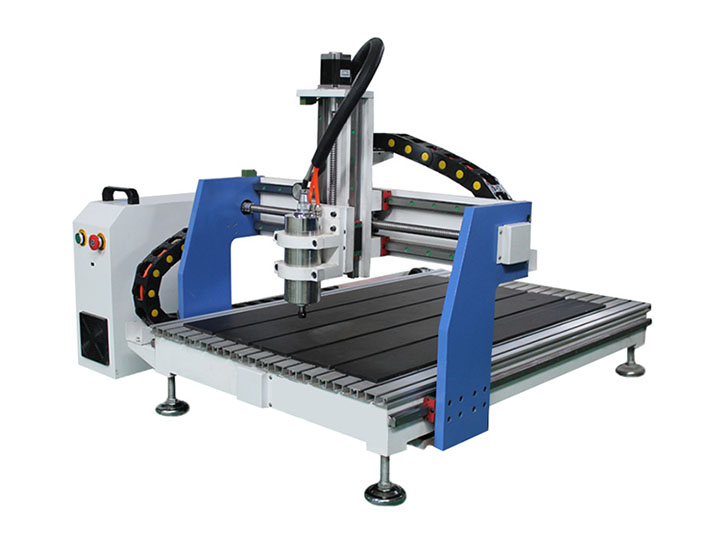
Type 1: Mini Types for Small Business
Type 2: Hobby Types for Hobbyists
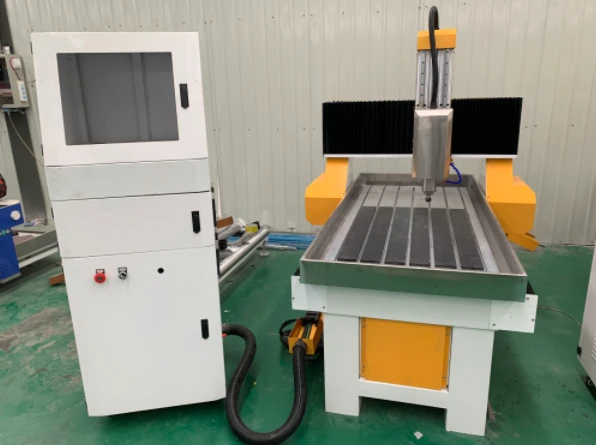
Type 3: Desktop Types for Home Use
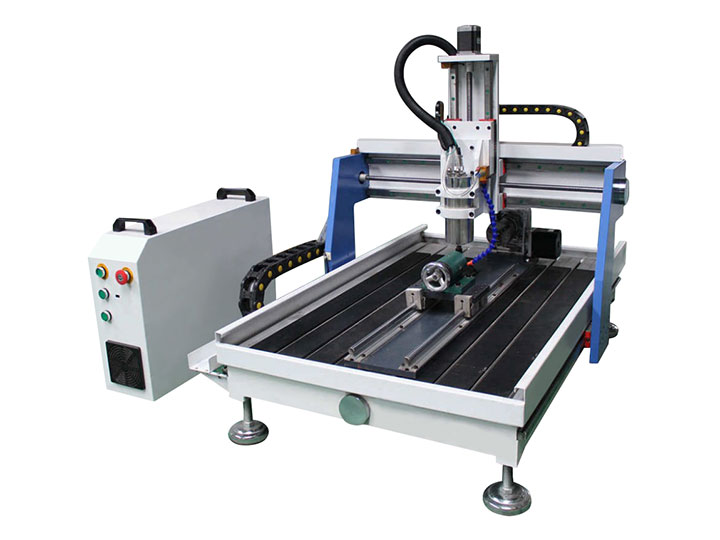
Type 4: Industrial Types for Woodworking
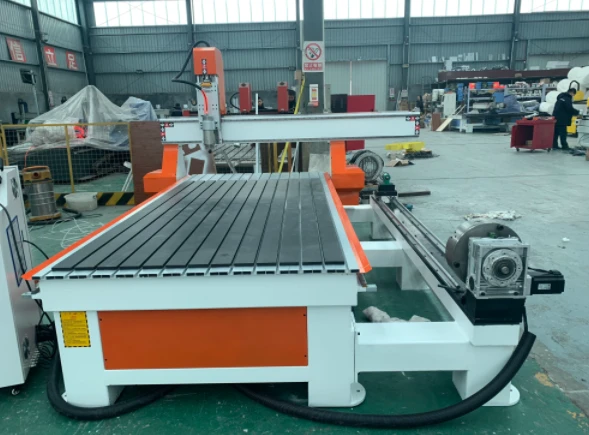
Type 5: ATC Types with Automatic Tool Changer
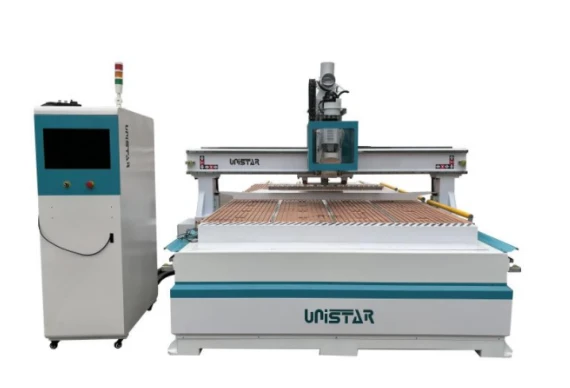
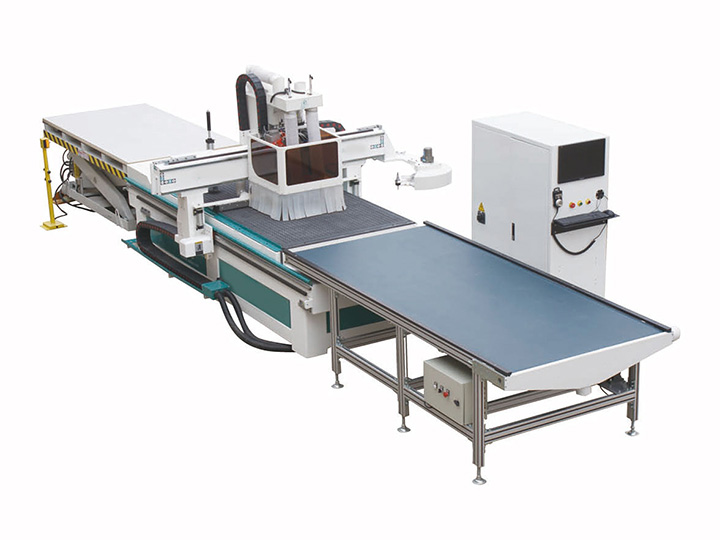
Type 6: Smart Types for Cabinet Making
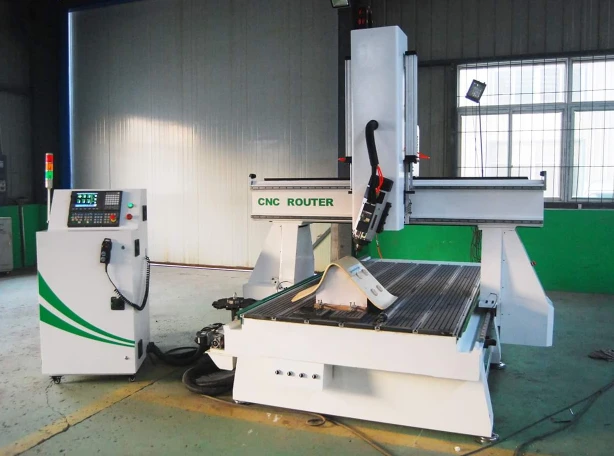
Type 7: 4 Axis Types
Type 8: 5 Axis Types for 3D Modeling